
Posted by TJ Hopkins on Jul 7th 2026
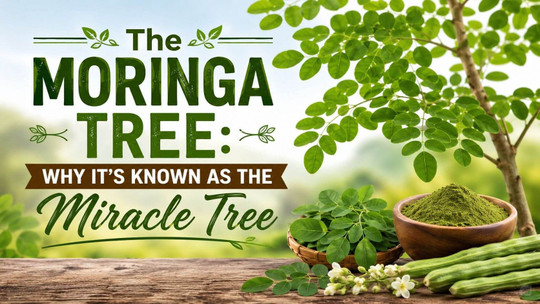
The Moringa Tree: Why It’s Known as the Miracle Tree
The moringa tree (Moringa oleifera) has earned the nickname "The Miracle Tree" thanks to its incredible versatility, rapid growth, and impressive nutritional profile. Native to the foothills of the Himalayas but now grown throughout tropical and subtropical regions worldwide, moringa has been valued for centuries as a source of food, traditional medicine, and even clean water. Nearly every part of the tree is useful, making it one of the most remarkable plants on Earth.
What Makes Moringa So Special?
Unlike many trees that offer only one useful product, the moringa tree provides edible leaves, flowers, seed pods, seeds, roots, and bark. It grows quickly, tolerates drought exceptionally well, and thrives in poor soils where many other crops struggle. These qualities have made it an important resource in regions where food security is a challenge.
Because of its many practical uses, moringa is cultivated in more than 80 countries and continues to gain popularity among home gardeners, farmers, and health-conscious consumers.
Packed with Nutrients
One of the biggest reasons moringa is called the Miracle Tree is its nutrient-rich leaves. Fresh or dried, the leaves contain a wide variety of vitamins, minerals, antioxidants, and plant-based protein.
Moringa leaves are an excellent source of:
- Vitamin A
- Vitamin C
- Vitamin E
- Calcium
- Potassium
- Magnesium
- Iron
- Protein
- Fiber
The leaves can be eaten fresh in salads, cooked like spinach, blended into smoothies, or dried and ground into the popular moringa powder found in health food stores.
Every Part of the Tree Has a Purpose
Leaves
The leaves are by far the most commonly used part of the tree. They are highly nutritious and can be harvested multiple times throughout the growing season.
Seed Pods
Often called drumsticks, the immature seed pods are commonly eaten as a vegetable in many parts of Asia, Africa, and the Caribbean. Their mild flavor makes them a popular ingredient in soups, curries, and stews.
Seeds
Moringa seeds are edible when cooked or roasted, but they also have another fascinating use. Crushed seeds can help remove impurities from water, making them valuable in areas with limited access to clean drinking water.
Flowers
The fragrant white flowers are edible and attract bees, butterflies, and other beneficial pollinators. They can be added to salads, teas, or lightly cooked dishes.
Roots
Young roots have historically been used as a horseradish substitute, although they should only be consumed with caution because they contain compounds that may be harmful in large quantities.
Health Benefits
Moringa has been used in traditional medicine for generations, and modern research continues to explore its potential health benefits. While it is not a cure for disease, moringa contains numerous antioxidants and bioactive compounds that may support overall wellness.
Some potential benefits include:
- Supporting a healthy immune system
- Helping protect cells from oxidative stress
- Providing anti-inflammatory compounds
- Supporting healthy digestion
- Supplying essential vitamins and minerals
- Promoting healthy skin and hair
As with any supplement, moringa should not replace a balanced diet or medical treatment.
Easy to Grow
One reason moringa has spread around the world is how easy it is to cultivate.
Growing conditions include:
- USDA Zones: 9–11
- Sunlight: Full sun
- Soil: Well-drained sandy or loamy soil
- Water: Moderate after establishment
- Growth Rate: Extremely fast
- Height: 20–40 feet, depending on climate and pruning
In warm climates, moringa can grow several feet in a single growing season.
Drought Tolerant and Sustainable
Moringa thrives where rainfall is limited, making it an excellent choice for sustainable agriculture. Its deep root system allows it to survive long dry periods, and its fast growth provides continual harvests of nutritious leaves with relatively little maintenance.
Because of these characteristics, moringa has become an important crop for improving nutrition and supporting communities in developing countries.
Common Uses Around the World
Today, moringa is used in many different ways:
- Nutritional supplements
- Herbal teas
- Smoothies
- Soups and curries
- Fresh salads
- Livestock feed
- Cosmetic products
- Water purification
- Traditional herbal remedies
Its versatility continues to make it one of the world's most valuable multipurpose plants.
Is Moringa Right for Your Garden?
If you live in a warm climate, moringa can be an excellent addition to your landscape or edible garden. It grows quickly, requires relatively little care once established, and produces a continual supply of nutritious leaves and attractive white flowers.
Gardeners in colder climates can also grow moringa in large containers and move the plants indoors during winter, although they will require plenty of sunlight.
Final Thoughts
The moringa tree truly lives up to its reputation as the "Miracle Tree." Its exceptional nutritional value, rapid growth, drought tolerance, and wide range of practical uses make it one of the most useful trees you can grow. Whether you're interested in healthy eating, sustainable gardening, or simply growing an unusual and fascinating plant, moringa offers something for nearly everyone.
From its nutrient-packed leaves to its edible pods and remarkable water-purifying seeds, it's easy to see why this extraordinary tree has earned worldwide recognition as one of nature's most versatile gifts.