
Posted by TJ Hopkins on Jul 27th 2026
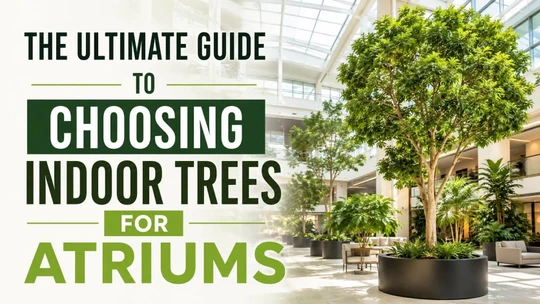
The Ultimate Guide to Choosing Indoor Trees for Atriums
Large indoor atriums make a bold architectural statement, but without greenery they can feel cold and empty. The right indoor trees transform these open spaces into vibrant, welcoming environments while improving aesthetics, helping soften hard surfaces, and creating a more relaxing atmosphere.
Whether you're designing an office building, hotel, shopping center, hospital, university, or luxury residential atrium, this guide will help you choose the best trees for your space.
Why Indoor Trees Are Perfect for Atriums
Atriums typically feature:
- High ceilings
- Large windows or skylights
- Bright natural light
- Open floor plans
- Plenty of vertical space
These conditions make them ideal for growing larger indoor tree species that would quickly outgrow most homes.
Benefits include:
- Creates an impressive focal point
- Makes large spaces feel warmer and more inviting
- Helps define seating and gathering areas
- Softens modern architecture
- Can improve indoor air quality
- Reduces the sterile appearance of commercial spaces
- Enhances employee and visitor satisfaction
What to Consider Before Choosing an Atrium Tree
1. Available Light
Light is the most important factor.
Determine whether your atrium provides:
- Full sunlight through skylights
- Bright indirect light
- Moderate filtered light
Some species thrive in bright conditions while others tolerate lower light levels.
2. Ceiling Height
Measure your available vertical space.
Consider:
- Mature tree height
- Branch spread
- Future growth
- Clearance from balconies and walkways
A tree that eventually reaches 30 feet may not fit beneath a 20-foot ceiling.
3. Maintenance Requirements
Ask yourself:
- Who will water the trees?
- Will professional pruning be available?
- Is fertilization scheduled?
- Can containers be easily accessed?
Low-maintenance species save both time and money.
4. Humidity
Large atriums often have fluctuating humidity.
Tropical species generally appreciate:
- Higher humidity
- Stable temperatures
- Protection from heating vents
5. Temperature
Most indoor trees prefer temperatures between:
65°F–80°F (18°C–27°C)
Avoid placing trees near:
- Exterior doors
- Heating vents
- Air conditioning vents
- Drafty windows
Best Indoor Trees for Atriums
Fiddle Leaf Fig (Ficus lyrata)
One of the most recognizable indoor trees.
Pros
- Huge glossy leaves
- Modern appearance
- Makes a dramatic statement
- Fast-growing
Best For
- Contemporary office buildings
- Hotels
- Corporate headquarters
Weeping Fig (Ficus benjamina)
A timeless favorite for commercial interiors.
Pros
- Graceful branching
- Dense canopy
- Long lifespan
- Easy to shape
Best For
- Office atriums
- Shopping centers
- Hospitals
Kentia Palm (Howea forsteriana)
An elegant palm known for its graceful fronds.
Pros
- Excellent low-light tolerance
- Slow growing
- Minimal maintenance
- Tropical appearance
Best For
- Hotels
- Resorts
- Reception areas
Majesty Palm (Ravenea rivularis)
Perfect for creating a tropical atmosphere.
Pros
- Feathery foliage
- Tall growth
- Elegant appearance
Needs
- Bright light
- Consistent watering
- Higher humidity
Rubber Tree (Ficus elastica)
One of the easiest large indoor trees to maintain.
Pros
- Thick glossy leaves
- Very durable
- Adaptable
- Air-purifying qualities
Umbrella Tree (Schefflera arboricola)
A versatile option for medium to large atriums.
Pros
- Attractive leaf clusters
- Fast-growing
- Easy to prune
- Tolerates indoor conditions well
Norfolk Island Pine (Araucaria heterophylla)
Although often used as a living Christmas tree, it becomes a stunning architectural specimen.
Pros
- Soft evergreen appearance
- Symmetrical shape
- Unique texture
Lady Palm (Rhapis excelsa)
Excellent for partially shaded atriums.
Pros
- Dense foliage
- Elegant appearance
- Easy maintenance
- Slow growth
Dragon Tree (Dracaena marginata)
Adds height without taking up much floor space.
Pros
- Narrow growth habit
- Modern style
- Extremely durable
- Drought tolerant once established
Olive Tree (Olea europaea)
Works beautifully in sunny atriums.
Pros
- Mediterranean appearance
- Silvery foliage
- Long-lived
- Elegant branching
Requires plenty of direct sunlight.
Parlor Palm (Chamaedorea elegans)
Ideal for smaller atriums or grouping beneath larger trees.
Pros
- Compact size
- Low-light tolerant
- Tropical feel
Bamboo Palm (Chamaedorea seifrizii)
Provides lush greenery with excellent indoor adaptability.
Pros
- Soft foliage
- Air-purifying
- Low maintenance
Choosing the Right Container
Large containers help stabilize mature trees and reduce watering frequency.
Consider:
- Fiberglass planters
- Lightweight composite containers
- Concrete planters
- Decorative ceramic pots
- Self-watering planters
Choose containers with proper drainage whenever possible.
Lighting Tips
If natural light is limited, supplement with:
- LED grow lights
- Overhead horticultural lighting
- Full-spectrum lighting systems
These can significantly improve long-term plant health.
Watering Tips
Large indoor trees generally prefer:
- Deep watering
- Allowing the top few inches of soil to dry before watering again
- Avoiding constantly soggy soil
Overwatering is one of the most common causes of indoor tree decline.
Fertilizing
Feed during active growth using a balanced fertilizer.
Most atrium trees benefit from:
- Spring feeding
- Summer feeding
- Reduced fertilization during winter
Common Problems
Watch for:
- Yellow leaves
- Leaf drop
- Brown leaf tips
- Spider mites
- Scale insects
- Root rot
Routine inspections allow problems to be caught early.
Designing with Indoor Trees
Rather than placing a single tree in the center of the atrium, consider creating layered landscapes using:
- Tall specimen trees
- Medium-height tropical plants
- Low-growing foliage plants
- Decorative rocks
- Mulch
- Architectural planters
This creates a more natural and visually appealing environment.
Final Thoughts
Indoor trees can completely transform an atrium, turning an expansive open space into a lush, inviting environment that leaves a lasting impression. By selecting species that match your lighting, ceiling height, and maintenance capabilities, you can create a thriving indoor landscape that remains beautiful for years. Whether you prefer the bold foliage of a Fiddle Leaf Fig, the elegance of a Kentia Palm, or the timeless appeal of a Weeping Fig, the right tree will bring life, texture, and natural beauty to any atrium.