
Posted by TJ Hopkins on Jul 12th 2026
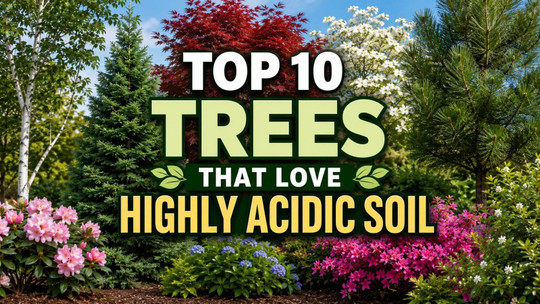
Top 10 Trees That Love Highly Acidic Soil
If your soil has a pH below 6.0, you're in luck. While many landscape plants struggle in acidic conditions, several beautiful trees actually thrive in them. From colorful maples to towering evergreens, these trees are naturally adapted to acidic soils and often perform better without the need for soil amendments.
Whether you're landscaping a woodland property, replacing a struggling tree, or simply making the most of naturally acidic soil, these ten species are excellent choices.
What Is Highly Acidic Soil?
Soil is considered highly acidic when the pH falls between 4.5 and 5.5. Acidic soils are common in:
- Pine forests
- Mountain regions
- Areas with heavy rainfall
- Sandy or well-drained soils
- Locations with decades of decomposing leaves and pine needles
Trees that naturally grow in these environments often develop stronger root systems, healthier foliage, and improved disease resistance.
1. Eastern White Pine (Pinus strobus)
One of North America's most beautiful evergreen trees, the Eastern White Pine flourishes in acidic soils and grows rapidly into a stately landscape tree.
Why It Loves Acidic Soil
- Prefers pH between 4.5-6.5
- Excellent for woodland properties
- Fast-growing
- Long-lived
USDA Zones: 3-8
2. Red Maple (Acer rubrum)
Red Maples naturally grow throughout acidic forests and wetlands, making them one of the easiest shade trees for low-pH soils.
Highlights
- Brilliant red fall foliage
- Fast growth
- Tolerates moist soils
- Excellent shade tree
USDA Zones: 3-9
3. Flowering Dogwood (Cornus florida)
Dogwoods perform best in organically rich, acidic soils where they reward gardeners with spectacular spring blooms.
Benefits
- Gorgeous white or pink flowers
- Outstanding fall color
- Red berries attract birds
- Perfect understory tree
USDA Zones: 5-9
4. Japanese Maple (Acer palmatum)
These elegant ornamental trees appreciate slightly to moderately acidic soil, producing healthier foliage and more vibrant colors.
Why Gardeners Love Them
- Stunning red, orange, and purple leaves
- Compact size
- Perfect focal point
- Great for small landscapes
USDA Zones: 5-8
5. Fraser Fir (Abies fraseri)
Native to the Appalachian Mountains, Fraser Fir naturally grows in cool, acidic soils and makes an exceptional evergreen landscape tree.
Features
- Soft fragrant needles
- Excellent Christmas tree
- Strong pyramidal shape
- Wildlife shelter
USDA Zones: 4-7
6. River Birch (Betula nigra)
River Birch tolerates many soil conditions but performs exceptionally well in acidic soils.
Advantages
- Beautiful peeling bark
- Fast-growing
- Heat tolerant
- Resistant to bronze birch borer
USDA Zones: 4-9
7. American Holly (Ilex opaca)
American Holly prefers acidic soil and develops glossy evergreen leaves and colorful berries when planted in the right conditions.
Why Plant It
- Year-round color
- Bright red berries
- Excellent privacy tree
- Valuable for wildlife
USDA Zones: 5-9
8. Southern Magnolia (Magnolia grandiflora)
Magnolias thrive in acidic, organically rich soils where they produce their iconic giant white flowers.
Features
- Huge fragrant blooms
- Glossy evergreen leaves
- Long lifespan
- Elegant landscape specimen
USDA Zones: 6-10
9. Norway Spruce (Picea abies)
Norway Spruce grows vigorously in acidic soils and is one of the best choices for windbreaks and privacy screens.
Benefits
- Extremely fast-growing
- Dense evergreen foliage
- Excellent wildlife habitat
- Great windbreak
USDA Zones: 3-7
10. Sourwood (Oxydendrum arboreum)
One of the most underrated native trees, Sourwood actually prefers highly acidic soil and rewards gardeners with year-round beauty.
Why It's Special
- Fragrant white flowers
- Outstanding scarlet fall color
- Excellent pollinator tree
- Native to eastern forests
USDA Zones: 5-9
Tips for Growing Trees in Highly Acidic Soil
To give your trees the best start:
- Test your soil pH before planting.
- Improve drainage if water tends to pool.
- Add compost or leaf mold to increase organic matter.
- Use pine bark mulch to help retain moisture.
- Avoid applying lime unless you're intentionally raising soil pH.
- Water newly planted trees consistently during their first growing season.
Can Acidic Soil Be Beneficial?
Absolutely! While some plants struggle in acidic conditions, many trees evolved to grow in them. Acidic soils often contain abundant organic matter and are ideal for numerous evergreens, maples, dogwoods, hollies, and native woodland species.
Choosing trees naturally adapted to your soil means:
- Faster growth
- Healthier foliage
- Fewer nutrient deficiencies
- Less maintenance
- Greater long-term success
Instead of trying to change your soil, selecting the right trees allows nature to work in your favor.
Conclusion
Highly acidic soil doesn't have to limit your landscaping options—it can actually be an advantage. Trees like Eastern White Pine, Red Maple, Flowering Dogwood, Japanese Maple, Fraser Fir, River Birch, American Holly, Southern Magnolia, Norway Spruce, and Sourwood all thrive in low-pH conditions and provide years of beauty, shade, privacy, and wildlife value.
By matching your trees to your existing soil conditions, you'll enjoy healthier plants, stronger growth, and a landscape that's easier to maintain for years to come.