
Posted by TJ Hopkins on Aug 21st 2026
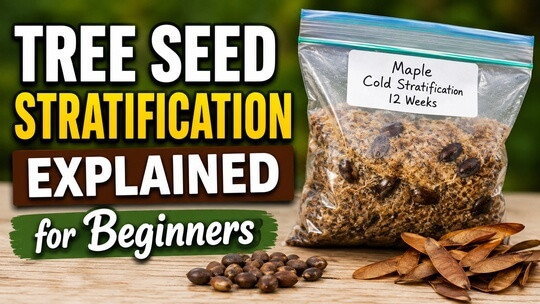
Tree Seed Stratification Explained for Beginners
Growing a tree from seed is one of the most rewarding ways to add trees to your landscape, but many first-time growers are surprised when their seeds don't germinate immediately. In many cases, the seeds aren't bad—they're simply dormant.
Many tree species produce seeds that need to experience specific environmental conditions before they are ready to sprout. One of the most common treatments used to overcome this dormancy is called stratification.
If you're new to growing trees from seed, stratification might sound complicated. Fortunately, the basic process is fairly simple once you understand why it's needed and how to do it correctly.
What Is Tree Seed Stratification?
Stratification is a seed treatment that recreates the seasonal conditions seeds would naturally experience outdoors.
For many temperate tree species, seeds mature and fall to the ground during late summer or fall. Instead of immediately germinating, they remain dormant through winter. Exposure to cool, moist conditions gradually changes the seed internally so it can germinate when temperatures become favorable.
When growing these seeds yourself, you can recreate this natural winter period using cold moist stratification.
A refrigerator is one of the easiest ways to provide controlled cold temperatures without exposing seeds to unpredictable outdoor conditions.
Why Do Tree Seeds Need Stratification?
Seed dormancy is an important survival mechanism.
Imagine an oak, maple, or other cold-climate tree dropping seeds in October. If those seeds germinated during a few unusually warm days in November, the tender seedlings might be killed when freezing temperatures returned.
Dormancy helps prevent this from happening.
Instead, seeds remain inactive until they've experienced enough cold weather. Once winter has passed and temperatures rise, conditions are much more favorable for seedling survival.
Stratification essentially tells the seed that winter has occurred and it's safe to begin preparing for germination.
Do All Tree Seeds Need Stratification?
No. Stratification requirements vary considerably between tree species.
Many trees native to regions with cold winters benefit from or require cold stratification. Trees from tropical and subtropical climates often don't require a cold period at all.
Some seeds have additional dormancy mechanisms and may require treatments such as:
- Scarification
- Warm stratification
- Cold stratification
- Warm followed by cold stratification
- Soaking in water
- A combination of treatments
Always research the specific germination requirements for the tree species you're growing before treating the seeds.
What Is Cold Moist Stratification?
Cold moist stratification exposes seeds to cool temperatures while keeping them slightly moist.
The three key components are:
Cold: Temperatures are generally kept slightly above freezing.
Moisture: Seeds need moisture during stratification, but they shouldn't be sitting in water.
Time: Depending on the species, seeds may require several weeks or several months of treatment.
Together, these conditions simulate winter beneath leaves, soil, or other natural ground cover.
How to Cold Stratify Tree Seeds in the Refrigerator
The refrigerator method is convenient because it provides relatively consistent temperatures throughout the treatment period.
Step 1: Check the Species Requirements
Before starting, determine how long your particular tree seeds need to be stratified.
Some species may need approximately 30 days, while others can require 60, 90, 120 days, or longer.
Following species-specific instructions is much more reliable than using the same treatment for every type of tree seed.
Step 2: Soak the Seeds if Recommended
Some tree seeds benefit from soaking before stratification.
Place the seeds in room-temperature water for the recommended amount of time, often somewhere around 12 to 24 hours.
However, soaking isn't necessary for every species, so follow the appropriate germination instructions.
Step 3: Prepare a Moist Growing Medium
Choose a clean medium capable of holding moisture while allowing some air around the seeds.
Common options include:
- Peat moss
- Sphagnum moss
- Vermiculite
- Perlite
- A mixture of suitable seed-starting materials
Moisten the medium thoroughly and then squeeze out excess water.
The material should feel damp rather than soaking wet.
Too much moisture can encourage mold and seed rot.
Step 4: Mix the Seeds With the Medium
Mix the tree seeds into the damp medium so moisture surrounds them.
You don't need a huge amount of material. There should simply be enough to keep the seeds consistently moist during their time in the refrigerator.
Step 5: Place Everything in a Labeled Bag
Place the seeds and moist medium inside a resealable plastic bag or suitable container.
Label it with important information such as:
Tree species
Date stratification started
Expected stratification period
Labeling is especially useful when you're stratifying several species at the same time.
Step 6: Refrigerate the Seeds
Place the bag in the refrigerator where temperatures remain consistently cool but above freezing.
Avoid placing the seeds in the freezer unless the germination instructions for that particular species specifically call for freezing temperatures.
Now the waiting begins.
How Long Does Stratification Take?
There isn't one universal stratification period for tree seeds.
Depending on the species, cold stratification may last approximately:
- 30 days
- 60 days
- 90 days
- 120 days
- Several months or longer
For example, one maple species may have very different requirements from another maple species.
This is why identifying your seeds and researching their individual requirements is so important.
Check Your Seeds Regularly
Don't put your seeds in the refrigerator and completely forget about them.
Check the bag periodically.
Look for:
Moisture levels: The medium should remain slightly damp.
Mold: Remove obviously moldy material when practical and correct overly wet conditions.
Early germination: Some seeds may begin producing roots before the planned stratification period ends.
If seeds begin germinating in the refrigerator, they may be ready to plant.
Handle newly emerging roots carefully because they're extremely delicate.
What Happens After Stratification?
Once the recommended stratification period has been completed, the seeds can generally be planted according to the requirements of the species.
Use an appropriate seed-starting mix and planting depth.
Some tree seeds should be planted fairly deeply, while very small seeds may need to remain near the soil surface. Again, species-specific instructions are important.
After planting, provide the appropriate combination of:
- Temperature
- Moisture
- Light
- Air circulation
Keep the growing medium consistently moist without leaving it waterlogged.
What Is Warm Stratification?
Cold stratification isn't the only type of stratification.
Some tree and shrub seeds require a period of warm moist stratification.
During warm stratification, seeds are kept moist at warmer temperatures for a specified period. This can help complete certain internal developmental processes before germination can occur.
Some species require a sequence such as:
Warm stratification → Cold stratification → Planting
These more complicated dormancy cycles mimic changing seasonal conditions the seeds experience in their natural habitat.
What Is Scarification?
Scarification and stratification are often confused, but they're different treatments.
Stratification primarily involves exposing seeds to certain temperature and moisture conditions.
Scarification involves weakening or breaking through a hard seed coat so water can enter the seed more easily.
Depending on the species, scarification may involve nicking, sanding, soaking, or another appropriate treatment.
Some seeds may require both scarification and stratification.
Common Tree Seed Stratification Mistakes
Even though the process is straightforward, a few mistakes can reduce your chances of success.
Making the Medium Too Wet
This is one of the most common problems.
Seeds need moisture, but excessive water creates conditions favorable for mold and rot.
Aim for damp, not saturated.
Letting Seeds Dry Out
The opposite problem can also occur.
Once moist stratification begins, allowing the seeds to completely dry out may interrupt the process or damage certain seeds.
Check moisture levels periodically.
Using the Wrong Stratification Period
Removing seeds too early may mean dormancy hasn't been completely overcome.
Leaving seeds significantly longer isn't necessarily beneficial either.
Follow recommendations for the particular species whenever possible.
Freezing Seeds Accidentally
Refrigeration and freezing aren't the same thing.
Unless the species specifically requires freezing, keep seeds in a refrigerator rather than a freezer.
Ignoring Germinating Seeds
Seeds don't always follow an exact calendar.
Some may begin germinating during stratification. Regular inspections allow you to catch sprouting seeds and plant them before delicate roots become excessively long.
Can You Stratify Tree Seeds Outdoors?
Yes. Natural outdoor stratification can be an excellent option for appropriate species and climates.
Seeds can be planted outdoors in fall and allowed to experience winter naturally.
This closely imitates what happens in nature, but there are disadvantages. Seeds may be eaten by squirrels, mice, birds, or other wildlife. Heavy rain can move them, unusual winter temperatures can affect them, and it can be harder to control moisture.
Refrigerator stratification provides more control, which can make it especially useful when working with small quantities or valuable seeds.
How Do You Know if Stratification Worked?
Successful stratification doesn't necessarily mean every seed will germinate.
Seed viability, age, storage conditions, genetics, temperature, moisture, and planting conditions can all influence germination.
However, properly stratified viable seeds should have a better opportunity to germinate once they're placed under suitable growing conditions.
Tree seeds can also germinate unevenly. Don't immediately discard a planting container just because some seeds sprout before others.
Keep Good Records
If you plan to grow tree seeds regularly, keep notes about each batch.
Record information such as:
- Species
- Seed source
- Soaking treatment
- Stratification method
- Starting date
- Ending date
- Germination date
- Approximate number of seeds planted
- Number of seedlings produced
Over time, these records can help you improve your germination methods and determine what works best under your particular growing conditions.
Final Thoughts
Tree seed stratification might sound technical, but the basic concept is simple: you're recreating the seasonal conditions a seed needs to overcome dormancy and prepare for germination.
For many cold-climate tree species, that means placing seeds in a slightly moist medium and keeping them refrigerated for a specific number of weeks or months.
The most important thing to remember is that every tree species can have different requirements. Before planting, determine whether your seeds need cold stratification, warm stratification, scarification, soaking, or no pretreatment at all.
With the correct treatment, patience, and proper growing conditions, a tiny dormant seed can eventually become a seedling—and potentially a tree that lives for generations.