
Posted by TJ Hopkins on Jul 4th 2026
USDA Plant Hardiness Zones Explained: How to Choose the Right Plants for Your Climate
Whether you're planting flowers, vegetables, shrubs, or trees, one of the most important factors for gardening success is knowing your USDA Plant Hardiness Zone. These zones help gardeners determine which plants are most likely to survive the winter in their location. Choosing plants that match your hardiness zone increases the chances of healthy growth and long-term success.
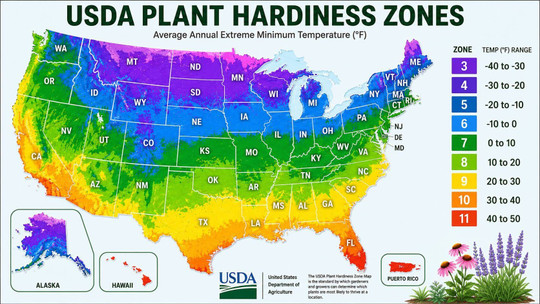
The USDA Plant Hardiness Zone Map divides the United States into regions based on the average annual extreme minimum winter temperature. Every zone represents a 10°F temperature range, helping gardeners understand the coldest temperatures plants must endure.
What Is a USDA Plant Hardiness Zone?
A USDA Plant Hardiness Zone is based on the average lowest temperature your area experiences each winter. Plant labels, seed packets, and nursery catalogs often list recommended hardiness zones so you can quickly determine whether a plant is suitable for your climate.
For example, if a tree is hardy in Zones 5 through 8, it can typically survive winter temperatures found within those regions but may struggle in colder or warmer climates.
USDA Plant Hardiness Zone Temperature Chart
| Zone | Average Annual Minimum Temperature |
|---|---|
| Zone 3 | -40°F to -30°F |
| Zone 4 | -30°F to -20°F |
| Zone 5 | -20°F to -10°F |
| Zone 6 | -10°F to 0°F |
| Zone 7 | 0°F to 10°F |
| Zone 8 | 10°F to 20°F |
| Zone 9 | 20°F to 30°F |
| Zone 10 | 30°F to 40°F |
| Zone 11 | 40°F to 50°F |
Hardiness Zones Across the United States
Zones 3–4: Very Cold Climates
These northern regions experience long, harsh winters with extremely low temperatures.
Common states include:
- Northern Minnesota
- North Dakota
- Montana
- Interior Alaska
- Northern Maine
Plants suited for these areas include:
- Spruce trees
- White Pine
- Paper Birch
- Quaking Aspen
- Lilacs
- Haskap berries
Zones 5–6: Cold to Moderate Climates
These zones cover much of the northern and central United States and support a wide variety of ornamental and edible plants.
Common states include:
- Michigan
- Wisconsin
- Pennsylvania
- Iowa
- Nebraska
- Colorado
Popular plants include:
- Sugar Maple
- Flowering Dogwood
- Apple trees
- Oak trees
- Hostas
- Daylilies
Zones 7–8: Mild Winters
Many gardeners consider these zones ideal because they support an enormous range of plants while still experiencing seasonal changes.
Common states include:
- Tennessee
- Missouri
- Virginia
- North Carolina
- Arkansas
- Northern Georgia
Popular plants include:
- Magnolia
- Redbud
- Japanese Maple
- Hydrangeas
- Blueberries
- Crape Myrtle
Zones 9–11: Warm and Tropical Climates
These southern regions rarely experience freezing temperatures, allowing gardeners to grow many tropical and subtropical species.
Common states include:
- Southern Florida
- Southern Texas
- Southern California
- Hawaii
Popular plants include:
- Citrus trees
- Avocado
- Mango
- Banana
- Hibiscus
- Bougainvillea
- Royal Palm
Why Hardiness Zones Matter
Plant hardiness zones primarily measure a plant's ability to survive winter temperatures. A plant may thrive during the growing season but still die if winter temperatures fall below its cold tolerance.
Matching your plants to your USDA zone helps:
- Improve winter survival rates
- Reduce plant replacement costs
- Increase long-term garden success
- Select trees and shrubs that will thrive for decades
- Make smarter purchasing decisions
Hardiness Zones Aren't Everything
While USDA zones are extremely useful, they're only one piece of the puzzle. Other important growing factors include:
- Average summer heat
- Rainfall
- Humidity
- Soil type
- Sunlight
- Wind exposure
- Drainage
- Elevation
- Microclimates around your home
For example, planting near a south-facing wall may create a warmer microclimate that allows certain plants to survive slightly outside their recommended zone.
How to Find Your USDA Zone
The easiest way to determine your hardiness zone is to use the USDA Plant Hardiness Zone Map or enter your ZIP code into the USDA zone finder. Once you know your zone, check plant labels or product descriptions before purchasing seeds or plants.
Final Thoughts
Understanding your USDA Plant Hardiness Zone is one of the simplest ways to become a more successful gardener. By selecting plants that are naturally adapted to your local climate, you'll enjoy healthier gardens, stronger trees, better flowering, and improved harvests year after year.
Before purchasing your next tree, shrub, perennial, or fruit plant, take a few moments to verify your USDA hardiness zone. That small step can make a big difference in the long-term success of your garden.