
Posted by TJ Hopkins on Jun 24th 2026
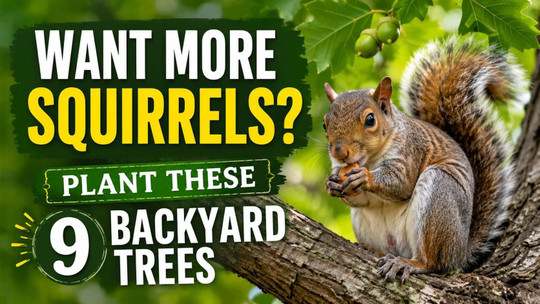
Want More Squirrels? Plant These 9 Backyard Trees
If you enjoy watching squirrels race through the branches, gather nuts, and explore your yard, planting the right trees can make your property much more attractive to them. Squirrels depend on trees for food, shelter, nesting sites, and protection from predators. By choosing species that provide nuts, seeds, or safe cover, you can create a backyard habitat that squirrels will visit year after year.
Here are nine excellent trees that help attract squirrels to your landscape.
1. Oak Trees
Oak trees are among the best trees for attracting squirrels. Their acorns provide a dependable food source that squirrels collect and store for winter. Large mature oaks also offer excellent nesting sites and protective canopy cover.
Popular species include:
- White Oak
- Red Oak
- Bur Oak
- Pin Oak
Once established, an oak tree can support wildlife for decades.
2. Hickory Trees
Hickory nuts are rich in fats and protein, making them a favorite food for squirrels. Although the shells are extremely hard, squirrels are well-equipped to crack them open.
Benefits:
- Highly nutritious nuts
- Strong, long-lived trees
- Excellent shade trees
Shagbark hickory is especially valuable because its peeling bark also provides shelter for wildlife.
3. Black Walnut Trees
Black walnut trees produce large nuts that squirrels eagerly gather during autumn. The nuts store well, allowing squirrels to bury them for winter food supplies.
Advantages include:
- Heavy nut production
- Large shade tree
- Valuable wildlife habitat
Keep in mind that black walnut trees release juglone, which may affect nearby plants.
4. American Beech
Beech trees produce small triangular nuts called beechnuts that squirrels enjoy. Their smooth gray bark and dense canopy also make excellent climbing and nesting sites.
Beech trees grow slowly but can live for centuries, providing long-term wildlife benefits.
5. Pine Trees
Many pine species produce seeds that squirrels eat throughout the year. Evergreens also offer year-round shelter, especially during winter weather.
Good choices include:
- Eastern White Pine
- Red Pine
- Scotch Pine
- Korean Pine
The dense branches provide protection from predators and harsh conditions.
6. Hazelnut Trees
Hazelnuts are highly attractive to squirrels because they are rich in oils and nutrients. These smaller trees or large shrubs begin producing nuts relatively quickly.
Benefits:
- Early nut production
- Excellent wildlife value
- Suitable for smaller yards
Squirrels often harvest hazelnuts before they fully mature.
7. Chestnut Trees
Chestnuts produce abundant crops of sweet nuts that squirrels readily collect. Modern disease-resistant varieties make excellent additions to wildlife landscapes.
Chestnut trees offer:
- Large nut harvests
- Fast growth
- Beautiful shade canopy
Both squirrels and many bird species benefit from chestnut trees.
8. Maple Trees
While maples are not primarily grown for nuts, squirrels feed on their seeds, buds, and flowers. The spreading branches also provide excellent travel routes and nesting locations.
Popular species include:
- Sugar Maple
- Red Maple
- Silver Maple
Maples help create a complete habitat when planted alongside nut-producing trees.
9. Pecan Trees
Pecan trees produce large, nutritious nuts that squirrels love. Mature trees can provide enormous crops that support wildlife throughout the fall and winter.
Advantages:
- Excellent food source
- Attractive shade tree
- Long lifespan
In warmer climates, pecans are among the best squirrel-attracting trees available.
Tips for Creating a Squirrel-Friendly Yard
Planting the right trees is only the beginning. You can make your yard even more attractive to squirrels by:
- Planting multiple tree species.
- Allowing leaf litter to remain beneath trees.
- Providing fresh water sources.
- Avoiding excessive pesticide use.
- Leaving mature trees whenever possible.
- Creating connected tree canopies for safe travel.
Final Thoughts
If you want more squirrels in your backyard, focus on planting trees that provide food, shelter, and protection. Oaks, hickories, walnuts, pines, and other nut-producing trees create a natural habitat that squirrels depend on throughout the year.
With a thoughtful mix of these nine trees, your yard can become a thriving wildlife haven filled with activity, especially during the fall and winter months when squirrels are busy gathering and storing food.