
Posted by TJ Hopkins on Sep 6th 2026
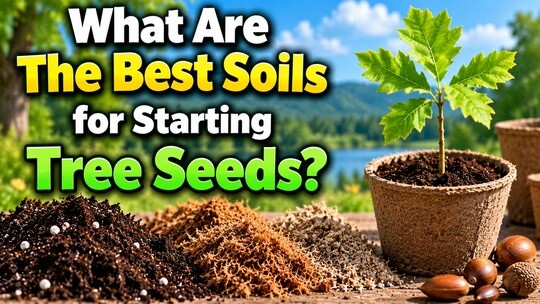
What Are the Best Soils for Starting Tree Seeds?
Growing a tree from seed is a rewarding way to add beautiful, long-lasting plants to your landscape. However, tree seeds need the right balance of moisture, oxygen, and drainage to germinate successfully. Choosing a proper seed-starting soil helps prevent rot, mold, and weak root development.
The best soil for starting tree seeds is usually a light, clean, well-draining mixture that holds enough moisture without becoming soggy. The exact mixture may vary depending on the tree species, but several reliable options work well for most seeds.
Why Regular Garden Soil Is Not Recommended
Garden soil may appear suitable because trees eventually grow in it, but it is usually not the best choice for starting seeds in containers. It can become heavy and compacted, limiting the oxygen available to developing roots.
Outdoor soil may also contain weed seeds, insects, fungi, or disease-causing organisms. Tree seedlings are especially vulnerable during their first few weeks of growth, so a cleaner and lighter mixture provides a better beginning.
Seed-Starting Mix
A commercial seed-starting mix is one of the easiest and most dependable options. These mixtures are designed specifically for germinating seeds and usually contain materials such as peat moss, coconut coir, perlite, or vermiculite.
A quality seed-starting mix offers several advantages:
- Fine texture for good seed-to-soil contact
- Excellent drainage
- Consistent moisture retention
- Adequate airflow around developing roots
- Fewer weeds and soil-borne diseases
Seed-starting mixes generally contain little or no fertilizer. This is acceptable because most seeds carry enough stored energy to support their earliest growth.
Coconut Coir
Coconut coir is a renewable material made from coconut husks. It holds moisture well while remaining loose enough to allow airflow around the seed.
Coir can be used alone for germination, but it often performs better when mixed with perlite. A simple starting mixture is approximately two parts hydrated coconut coir and one part perlite.
Rinse or prepare the coir according to the product directions before using it. Some products may contain excess salts that could affect sensitive seedlings.
Peat Moss
Peat moss is commonly found in commercial seed-starting mixtures. It has a lightweight texture and can hold several times its weight in water.
Because peat moss can become difficult to moisten when completely dry, hydrate it thoroughly before planting. It is also naturally acidic, which may benefit certain tree species but may not be ideal for every seed.
Combining peat moss with perlite or vermiculite improves drainage and prevents the mixture from becoming overly compacted.
Perlite
Perlite is the small, lightweight white material commonly seen in potting soil. It does not provide nutrients, but it creates air pockets and improves drainage.
Perlite is especially useful for tree seeds that are susceptible to rotting in wet conditions. It should normally be mixed with another material rather than used by itself.
A mixture containing approximately 20% to 40% perlite works well for many tree seeds.
Vermiculite
Vermiculite is a lightweight mineral that absorbs water and gradually releases it into the surrounding mixture. It is useful for keeping seeds consistently moist during germination.
Because vermiculite holds more water than perlite, it should be used carefully with species that require fast-draining conditions. A thin layer of fine vermiculite can also be used to cover small seeds.
Fine Pine Bark
Fine or composted pine bark can improve drainage while providing structure to the growing mixture. It is particularly helpful for seedlings that will remain in their original containers for several months.
Make sure the bark particles are small enough for seed-starting containers. Large or coarse bark pieces may create uneven moisture levels and prevent good contact between the seeds and growing medium.
Sand
Clean horticultural sand can be added to increase drainage and weight. It is sometimes helpful for tree species adapted to sandy or dry environments.
Avoid using beach sand or ordinary construction sand. Beach sand may contain salt, while very fine construction sand can cause a mixture to become dense and compacted. Use washed horticultural sand intended for growing plants.
Recommended Soil Mixtures
The following mixtures can be used as starting points for many tree species.
General Tree Seed Mixture
- Two parts seed-starting mix
- One part perlite
- One part fine pine bark
This combination provides moisture retention, drainage, and enough structure to support seedlings as they develop.
Simple Coconut Coir Mixture
- Two parts hydrated coconut coir
- One part perlite
This is a clean, lightweight option that works well for many commonly grown trees.
Fast-Draining Mixture
- One part coconut coir or peat moss
- One part perlite
- One part horticultural sand
This mixture may be suitable for tree seeds that naturally grow in dry or sandy conditions.
Moisture-Retentive Mixture
- Two parts coconut coir or peat moss
- One part vermiculite
- One part perlite
This mixture retains moisture while still providing some drainage and airflow.
Should Compost Be Added?
Finished compost contains valuable nutrients, but it is usually unnecessary during the earliest stage of germination. Compost may also hold too much moisture or introduce fungi and other organisms into the container.
If you want to use compost, select fully finished, finely screened compost and add only a small amount. It should generally make up no more than approximately 10% to 20% of the mixture.
Young seedlings can be transplanted into a more nutrient-rich potting mixture after they develop several true leaves.
Match the Soil to the Tree Species
Not all trees prefer identical growing conditions. Seeds from wetland trees may tolerate a consistently moist mixture, while desert and Mediterranean species generally need faster drainage.
Before planting, check the germination requirements for the specific tree species. Some seeds also require cold stratification, warm stratification, scarification, soaking, or exposure to light before they can germinate.
The correct soil cannot replace these necessary pre-germination treatments.
Prepare the Soil Before Planting
Moisten the growing mixture before filling the containers. It should feel evenly damp but should not release water when squeezed.
Fill the pots or trays loosely and gently level the surface. Avoid pressing the soil down firmly because compaction reduces airflow and makes it harder for young roots to grow.
Plant each seed at the recommended depth. A common guideline is to cover a seed with soil approximately one to two times its thickness, although some tiny seeds should be surface-sown.
Keep the Soil Moist but Not Soggy
Consistent moisture is essential during germination. Allowing the growing mixture to dry completely may damage a developing seed, while excessive water can cause mold, decay, and damping-off disease.
Water gently with a spray bottle or fine watering nozzle to avoid displacing the seeds. A humidity dome can help retain moisture, but it should be opened regularly to provide airflow. Remove the dome after germination or when seedlings begin approaching it.
Always use containers with drainage holes. Empty any water that collects beneath the pots.
When to Begin Fertilizing
Tree seeds generally do not need fertilizer until after germination. Once the seedlings have produced their first set of true leaves, you can begin applying a diluted, balanced fertilizer if the growing medium contains no nutrients.
Start with approximately one-quarter of the strength recommended on the fertilizer label. Too much fertilizer can burn young roots and cause weak or excessive growth.
When to Transplant Tree Seedlings
Seedlings should eventually be moved from the germination mixture into individual containers filled with a high-quality potting mix. Transplant when they have developed true leaves and are large enough to handle without damaging their stems or roots.
Choose a potting mix that drains well but contains enough organic material to support continued growth. Handle the seedling by its leaves whenever possible rather than pulling or squeezing its delicate stem.
Final Thoughts
For most tree seeds, the best soil is a lightweight and well-draining seed-starting mixture containing coconut coir or peat moss combined with perlite or vermiculite. The mixture should remain evenly moist without becoming waterlogged.
Starting with clean containers, fresh growing medium, proper drainage, and species-specific germination instructions will give your tree seeds the strongest possible beginning. Once the seedlings are established, they can gradually be moved into richer soil that supports their long-term growth.