
Posted by TJ Hopkins on Aug 29th 2026
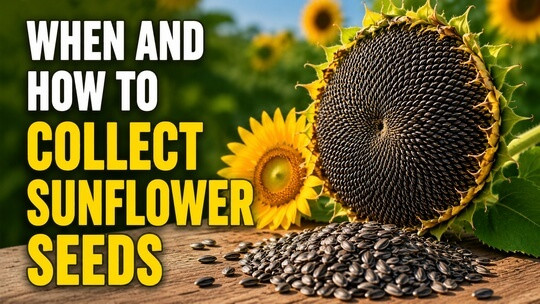
When and How to Collect Sunflower Seeds
Sunflowers bring cheerful color, beneficial insects, and hungry birds to the garden. Once their bright yellow petals fade, the flower heads begin producing hundreds—and sometimes thousands—of seeds.
Collecting sunflower seeds at the right time helps ensure they are mature, flavorful, and suitable for eating, saving, or sharing with wildlife. Here is how to recognize when sunflower seeds are ready and harvest them successfully.
When Are Sunflower Seeds Ready to Collect?
Most sunflowers are ready to harvest approximately 30 to 45 days after blooming. The exact timing depends on the variety, weather, and growing conditions.
Avoid harvesting solely according to the calendar. Instead, examine the plants for these signs of maturity:
- The yellow petals have wilted and fallen away.
- The flower head begins drooping toward the ground.
- The back of the flower head changes from green to yellow or yellowish brown.
- The small florets covering the seeds become dry and easy to remove.
- The outer edges of the flower head turn brown.
- The seeds appear plump and display their mature color.
- A seed comes out easily when rubbed or pulled.
Many edible sunflower varieties produce black seeds or black seeds with white stripes. The seeds should feel firm rather than soft or milky.
Why You Should Let Sunflower Seeds Mature on the Plant
Whenever conditions permit, allow the flower heads to dry naturally on the plants. This gives the seeds time to become fully developed.
Seeds collected too early may be small, empty, or unable to germinate. Properly matured seeds are more likely to store well and produce healthy sunflower plants the following season.
Do not leave ripe flower heads outside for too long, however. Birds, squirrels, chipmunks, and other animals may quickly discover them.
Protecting Sunflower Heads From Birds
Wildlife may begin eating the seeds before the flower heads are completely dry. You can protect each head with a breathable covering as it approaches maturity.
Suitable coverings include:
- A paper bag with ventilation holes
- Cheesecloth
- Fine mesh
- A clean mesh produce bag
- A lightweight fabric bag
Secure the material loosely around the stem below the flower head. Avoid using an airtight plastic bag because trapped moisture can encourage mold and rot.
How to Harvest Sunflower Heads
Choose a dry day to harvest your sunflowers. Morning is usually best after any dew has evaporated.
Use clean, sharp pruning shears to cut the stem approximately 6 to 12 inches below the flower head. Leaving part of the stem attached makes the head easier to handle and hang.
If the flower head is completely brown and dry, you can begin removing the seeds immediately. If it still contains moisture, move it to a protected place to finish drying.
Finishing the Drying Process Indoors
Sunflower heads can be harvested before they are entirely dry if rain, frost, wildlife, or high humidity threatens the crop.
Hang the heads upside down in a warm, dry, well-ventilated location. A garage, shed, covered porch, or utility room may work well. Keep them protected from rodents and direct moisture.
Place a paper bag or clean container underneath each head to catch any seeds that fall. Depending on the moisture level, the heads may require one to three additional weeks of drying.
The seeds are ready to remove when the flower head feels dry and the seeds loosen easily.
How to Remove Sunflower Seeds From the Head
Removing the seeds is simple once the flower head has dried completely.
Hold the head over a large bowl, bucket, tray, or clean sheet. Rub your hand firmly across the seed surface. Mature seeds should fall out with relatively little effort.
You can also rub two dried flower heads together or use a clean, stiff brush to loosen stubborn seeds. Wear gardening gloves if the dry plant material irritates your skin.
Separate the seeds from petals, florets, and other plant debris after collection.
Cleaning the Seeds
Place the collected seeds in a large bowl or on a shallow tray. Remove any remaining pieces of the flower head by hand.
Empty or poorly developed seeds are often lighter than healthy ones. You can sort them by gently blowing across the seeds outdoors or using a fan on its lowest setting. The lighter debris should move away while the heavier seeds remain.
If you wash the seeds, spread them in a single layer immediately afterward and allow them to dry thoroughly before storage.
Saving Sunflower Seeds for Planting
Choose seeds from your healthiest, strongest, and most productive plants. Avoid collecting seeds from flower heads showing mold, disease, or significant insect damage.
Open-pollinated and heirloom sunflower varieties are usually the best choices for seed saving. Hybrid sunflowers may produce plants that look different from the parent plant or have unpredictable characteristics.
Spread the seeds in a single layer on a screen, tray, or paper surface. Allow them to dry in a protected, well-ventilated area for several days. Stir or turn them occasionally so all sides dry evenly.
Once completely dry, place the seeds in a labeled paper envelope. Include the sunflower variety and collection date. Store the envelope inside an airtight container in a cool, dark, and dry location.
Properly dried and stored sunflower seeds can remain viable for several years, although planting them the following season generally provides the best results.
Preparing Sunflower Seeds for Eating
Only eat seeds from sunflower varieties grown without unsafe pesticides or other chemicals. Seeds intended for planting may be treated with products that make them unsuitable for consumption.
Freshly harvested sunflower seeds can be eaten raw or roasted. To prepare salted roasted seeds, soak them in salted water for several hours or simmer them briefly in salt water. Drain them well and spread them across a baking sheet.
Roast the seeds at approximately 300°F, stirring occasionally, until they are dry and lightly browned. Cooking time will vary depending on the seed size and moisture content. Allow the seeds to cool completely before storing them.
Leaving Seeds for Wildlife
You do not have to collect every sunflower head. Leaving several mature heads in the garden provides a natural food source for finches, chickadees, cardinals, and other seed-eating birds.
You can leave the heads attached to the plants or cut and hang them from a fence or sturdy branch. Sunflower stalks can also provide shelter and habitat for beneficial insects during the colder months.
Common Sunflower Seed Harvesting Mistakes
Harvesting Too Early
Immature seeds may be thin, soft, or empty. Wait until the back of the flower head turns yellowish brown and the seeds appear fully developed.
Waiting Too Long
Once the seeds mature, wildlife and wet weather can quickly reduce the harvest. Protect the heads or move them indoors when they are nearly ready.
Storing Damp Seeds
Even a small amount of trapped moisture can cause mold. Make certain the seeds are completely dry before placing them in a sealed container.
Using Plastic Bags on Growing Flowers
Plastic traps humidity around the flower head. Use breathable paper, cloth, or mesh protection instead.
Saving Seeds From Unhealthy Plants
Diseased or poorly developed plants may produce lower-quality seeds. Select seeds from vigorous plants with desirable flowers and strong growth.
Final Thoughts
The best time to collect sunflower seeds is when the petals have fallen, the flower heads are drooping, the backs have turned yellowish brown, and the mature seeds come loose easily.
Allow the heads and seeds to dry thoroughly before storage. You can save your harvest for planting, roast it for a homemade snack, or leave some seeds outside for visiting birds. With careful timing and proper drying, one sunflower can provide an impressive harvest for the following season.