
Posted by TJ Hopkins on Aug 23rd 2026
When Should Tree Seedlings Be Moved Outdoors?
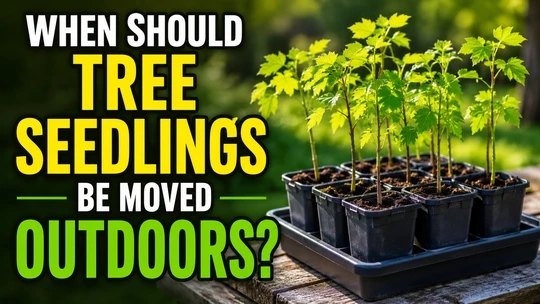
Growing a tree from seed is rewarding, but eventually your young seedling needs to leave the protected environment of your home, greenhouse, or growing area and make the transition outdoors. Moving it outside at the right time can make a major difference in how successfully it becomes established.
Tree seedlings are still delicate during their early stages of growth. Sudden exposure to cold temperatures, strong sunlight, drying winds, or rapidly changing weather can damage seedlings that have been growing indoors. Instead of simply carrying your seedlings outside and planting them, it is best to consider temperature, frost risk, seedling development, and a gradual process known as hardening off.
When Is the Best Time to Move Tree Seedlings Outdoors?
For many tree species, spring is the best time to move seedlings outdoors, particularly after the danger of a severe frost has passed.
However, there is no single date that works for every tree or every climate. The correct timing depends on the species you are growing and the conditions in your area.
Cold-hardy native trees may tolerate cool spring weather surprisingly well, while subtropical and tropical species may need consistently warm temperatures before they can safely remain outside.
Before moving seedlings outdoors permanently, consider:
- The cold tolerance of the tree species
- Your average last frost date
- Current nighttime temperatures
- The size and maturity of the seedlings
- Recent weather conditions
- Whether the seedlings have been hardened off
Wait Until Your Seedlings Are Established
Very young seedlings are generally more vulnerable to environmental stress. It is usually better to allow seedlings to develop a healthy root system and several sets of true leaves before exposing them to outdoor conditions.
A seedling that has just emerged from the soil may have difficulty handling direct sunlight, wind, heavy rain, and temperature fluctuations.
Look for seedlings that appear healthy, upright, and actively growing. Their stems should be developing strength, and their root systems should be established enough to hold the growing medium together reasonably well.
Pay Attention to the Last Frost Date
Your area's average last frost date is an important guideline when deciding when to move young trees outside.
Remember that an average frost date is not a guarantee. A late-season cold snap can still occur.
Cold-hardy species may be able to tolerate temperatures around or slightly below freezing once properly acclimated. Tender species can suffer serious damage at temperatures that would not bother a maple, oak, pine, or other hardy tree.
Always research the temperature requirements of the particular species you are growing.
Nighttime Temperatures Matter
Daytime temperatures can be misleading. A sunny spring afternoon might reach 65°F or 70°F, only for temperatures to fall close to freezing overnight.
Check nighttime temperatures before leaving seedlings outdoors permanently.
For many hardy temperate tree species, cool nights are not necessarily a problem after the seedlings have been properly hardened off. Tender trees may require nighttime temperatures consistently above approximately 50°F to 60°F, depending on the species.
Tropical trees generally need considerably warmer conditions than trees native to northern climates.
Don't Move Indoor Seedlings Directly Into Full Sun
One of the most common mistakes when moving tree seedlings outdoors is immediately placing them in direct sunlight.
Even species that eventually require full sun can experience leaf scorch when seedlings grown under artificial lights or near a window are suddenly exposed to intense outdoor sunlight.
Outdoor sunlight is significantly stronger than typical indoor lighting.
Seedlings should therefore be introduced to outdoor conditions gradually.
How to Harden Off Tree Seedlings
Hardening off is the process of slowly acclimating seedlings to outdoor conditions.
The process typically takes about 7 to 14 days, although particularly sensitive seedlings may benefit from a longer transition.
A simple hardening-off schedule might look like this:
Days 1–3
Place the seedlings outside in a protected, shaded location for approximately 1–3 hours.
Keep them protected from strong wind and direct afternoon sunlight.
Bring them back inside afterward.
Days 4–6
Increase their outdoor exposure to approximately 3–5 hours.
Introduce a small amount of gentle morning sunlight while continuing to protect the seedlings from intense midday and afternoon sun.
Days 7–10
Allow the seedlings to remain outside for most of the day.
Gradually increase their exposure to sunlight and normal outdoor conditions.
Days 11–14
If temperatures are suitable, begin leaving the seedlings outside overnight.
Once they tolerate these conditions without wilting, scorching, or showing other signs of stress, they are generally ready to remain outdoors.
The exact schedule does not need to be followed rigidly. Adjust it according to the tree species, weather, and how the seedlings respond.
Protect Seedlings From Strong Wind
Wind is another major adjustment for indoor-grown seedlings.
A gentle breeze can help strengthen young stems, but strong winds can quickly dry the soil and damage tender foliage.
During the first several days outdoors, place your seedlings somewhere sheltered from strong winds. Gradually expose them to more typical conditions as they become stronger.
Keep a Close Eye on Watering
Seedlings growing outdoors often dry out faster than they did indoors.
Sunlight, wind, warmer temperatures, and lower humidity can all increase water loss.
Check containers regularly and water when needed. The goal is generally to maintain appropriate moisture without leaving the growing medium constantly waterlogged.
Small seedling containers can dry particularly quickly on sunny or windy days.
Watch for Sunburn and Leaf Scorch
If seedlings receive too much sunlight too quickly, their leaves may develop pale, bleached, yellow, brown, or crispy areas.
If this happens, move the seedlings back into partial shade and reduce their exposure to direct sunlight while they recover.
Gradually begin increasing their sunlight exposure again.
A little patience during the hardening-off period can prevent significant damage.
Should You Plant Tree Seedlings in the Ground Immediately?
Moving seedlings outdoors does not necessarily mean they must immediately be transplanted into the ground.
You can keep seedlings in containers outdoors while they continue developing.
Container growing can be especially useful when seedlings are still small or when you are waiting for better planting conditions.
If you decide to transplant seedlings into their permanent location, choose an appropriate site based on the mature tree's requirements. Consider sunlight, drainage, soil conditions, mature height, mature spread, and proximity to buildings, power lines, driveways, sidewalks, and other trees.
Remember that the tiny seedling you are planting today could eventually become a very large tree.
Spring vs. Fall Transplanting
Spring and fall can both be suitable times for planting certain tree seedlings.
Spring
Spring planting gives seedlings an entire growing season to develop their root systems before winter.
It can be especially helpful in regions with extremely cold winters.
Fall
Fall can also be an excellent planting season for many cold-hardy deciduous and evergreen trees. Cooler temperatures reduce heat stress, while the soil may remain warm enough for root development.
However, extremely small or tender seedlings may benefit from additional protection before experiencing their first winter outdoors.
The best choice ultimately depends on the tree species and your local climate.
What About Tropical Tree Seedlings?
Tropical and subtropical trees require additional caution.
Species such as palms and other warm-climate trees may suffer damage from temperatures that hardy northern trees easily tolerate.
Wait until nighttime temperatures are safely within the species' preferred range before leaving these seedlings outside overnight.
If you live in a cold climate and plan to grow a tropical tree as a houseplant, you can still place it outdoors during warm summer weather. Just remember that it will need to be acclimated again when moving between indoor and outdoor environments.
Signs Your Tree Seedlings Are Ready for Outdoor Life
Healthy seedlings that are ready for the transition typically have:
- Several sets of true leaves or healthy needles
- Strong, upright stems
- An established root system
- Consistent new growth
- No serious pest or disease problems
- The ability to tolerate progressively longer periods outdoors
The weather should also be appropriate for the particular tree species.
Signs You Moved Your Seedlings Outdoors Too Quickly
Watch your seedlings carefully during the first couple of weeks.
Signs of stress may include:
- Wilting
- Bleached leaves
- Brown or crispy leaf edges
- Drooping foliage
- Sudden leaf drop
- Stunted growth
- Damaged stems
- Excessively dry soil
Some temporary slowing of growth can occur during environmental changes, but significant deterioration means you should adjust the seedlings' conditions.
Don't Forget About Wildlife
Once your seedlings move outdoors, they become accessible to animals and insects that were not a concern indoors.
Rabbits, deer, rodents, birds, slugs, and other animals can damage young trees.
Depending on your location and tree species, protective cages, fencing, tree guards, or other barriers may be helpful until the seedlings become larger.
Choose a Mild Day for the Final Move
Avoid permanently moving or transplanting seedlings outdoors immediately before extreme weather.
A mild, cloudy day can be ideal because it reduces the initial stress caused by intense sunlight and heat.
Also avoid transplanting immediately before severe storms, unusually strong winds, unexpected freezes, or extreme heat.
Final Thoughts
The best time to move tree seedlings outdoors depends on the tree species, your climate, nighttime temperatures, and the maturity of the seedlings.
For many trees, spring is an excellent time to begin the transition, but hardening off is just as important as choosing the right date. Gradually exposing seedlings to sunlight, wind, and changing temperatures over approximately one to two weeks allows them to adjust to their new environment.
Pay particular attention to nighttime temperatures and the cold tolerance of your specific tree species. Hardy trees and tropical trees can have dramatically different requirements.
With gradual acclimation, proper watering, suitable temperatures, and protection from extreme weather, your young tree seedlings will have a much better chance of making a successful transition from their protected growing environment to life outdoors.