
Posted by TJ Hopkins on Jun 15th 2026
Why Do Pine Trees Produce Pine Cones?
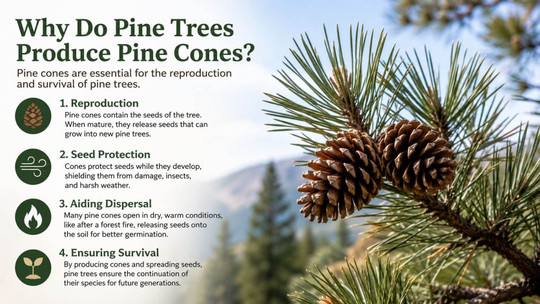
Pine cones are one of the most recognizable features of pine trees, but they serve a much greater purpose than simply decorating forest floors. Pine cones are the reproductive structures of pine trees, helping these evergreen giants produce, protect, and spread their seeds. Without pine cones, pine trees would have a difficult time ensuring the survival of future generations.
From towering forest pines to ornamental varieties in home landscapes, nearly all pine species rely on cones as a key part of their life cycle. These natural structures have evolved over millions of years to protect developing seeds and improve the chances of successful reproduction.
1. Pine Cones Are Essential for Reproduction
The primary purpose of a pine cone is reproduction. Female pine cones contain seeds that can develop into new pine trees. After pollination occurs, the seeds mature inside the cone, often taking one to three years depending on the species.
Once the seeds are fully developed, the cone opens and releases them. Many pine seeds have small wings that allow them to be carried by the wind, helping them spread away from the parent tree and colonize new areas.
2. Cones Protect Developing Seeds
Before seeds are ready to germinate, they need protection from weather, insects, and animals. Pine cones provide a tough outer shell made up of overlapping scales that shield the seeds during development.
These scales help protect the seeds from:
- Heavy rain
- Freezing temperatures
- Dry conditions
- Insect damage
- Predation by wildlife
This protective design greatly increases the likelihood that seeds will survive long enough to be dispersed.
3. Pine Cones Help Disperse Seeds
Many pine cones are designed to open when environmental conditions are favorable for seed release. Warm, dry weather causes the scales of many cones to spread apart, allowing seeds to escape and travel on the wind.
Some pine species have evolved an even more remarkable strategy. Their cones remain sealed with resin until exposed to the intense heat of a wildfire. These "serotinous" cones release their seeds after a fire, taking advantage of reduced competition and nutrient-rich soil conditions.
4. Pine Cones Ensure the Survival of Pine Species
By producing cones year after year, pine trees continuously create opportunities for new seedlings to establish themselves. Even though only a small percentage of seeds ultimately grow into mature trees, producing large numbers of seeds increases the odds of survival.
This strategy helps pine forests recover from storms, fires, pests, and other natural disturbances. Over time, cone production plays a critical role in maintaining healthy pine populations and ecosystems.
Male and Female Pine Cones
Many people are surprised to learn that pine trees produce both male and female cones.
- Male cones are usually small, soft, and short-lived. They release pollen into the air.
- Female cones are larger, woody structures that develop seeds after pollination.
Wind carries pollen from male cones to female cones, allowing fertilization to occur without the need for insects or animals.
Why Do Some Pine Trees Produce More Cones Than Others?
Cone production can vary greatly depending on the tree's age, health, species, and environmental conditions. Mature pine trees generally produce more cones than younger trees. Favorable weather conditions and abundant sunlight can also increase cone production.
Some years may bring exceptionally heavy cone crops, known as "mast years," when trees produce far more cones and seeds than usual.
Conclusion
Pine cones are much more than decorative woodland treasures. They are highly specialized structures that allow pine trees to reproduce, protect their seeds, disperse them effectively, and ensure the survival of future generations. Whether opening in warm weather or releasing seeds after a wildfire, pine cones play a vital role in the life cycle and long-term success of pine trees around the world.