
Posted by TJ Hopkins on Aug 21st 2026
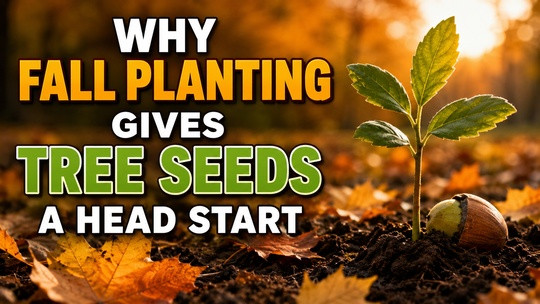
Why Fall Planting Gives Tree Seeds a Head Start
Fall may signal the end of the traditional gardening season, but for many tree species, it is one of the best times to plant seeds. While gardeners are cleaning up leaves and preparing beds for winter, nature is already beginning the process that will produce the next generation of trees.
Planting tree seeds in fall allows them to experience natural seasonal conditions, including cool temperatures, moisture, and winter dormancy. For species that require a cold period before germination, this can give seeds exactly what they need to be ready for spring.
Fall Planting Mimics What Happens in Nature
Trees have been reproducing without human help for millions of years. In forests and woodlands, mature seeds commonly fall to the ground during late summer and autumn.
Once on the forest floor, the seeds are exposed to rain, fluctuating temperatures, snow, and winter cold. They remain dormant until environmental conditions become favorable for germination.
When you sow tree seeds outdoors in the fall, you are essentially allowing nature to handle much of this process for you.
Instead of attempting to duplicate winter conditions indoors, the seeds experience the real thing.
Winter Can Naturally Stratify Tree Seeds
Many temperate tree seeds have built-in dormancy mechanisms that prevent them from germinating immediately after they mature.
This is an important survival strategy. If a seed germinated during a warm spell in October or November, the young seedling might not survive the approaching winter.
For many species, exposure to a prolonged period of cool, moist conditions helps break this dormancy. This process is commonly called cold stratification.
Fall sowing can provide natural cold stratification throughout the winter.
Depending on the species, seeds may require several weeks or even several months of cold conditions before they are ready to germinate.
Seeds Are Ready When Spring Arrives
One of the biggest advantages of fall planting is timing.
Seeds that have completed their dormancy requirements during winter can begin responding as soon as soil temperatures and other conditions become suitable in spring.
Instead of starting the stratification process after winter has ended, the seeds may already be prepared to germinate.
That can give seedlings additional growing time during their first season.
Fall Soil Can Provide Favorable Conditions
Autumn soil is often still warm even as air temperatures begin dropping. Depending on your climate, fall may also bring more consistent moisture than the heat of summer.
These conditions can help keep seeds naturally moist while they settle into the soil.
Once winter arrives, cooler temperatures generally slow biological activity and keep dormant seeds from attempting to grow prematurely.
The cycle of fall moisture, winter cold, and spring warming creates conditions similar to those experienced by naturally dispersed tree seeds.
Less Indoor Stratification Work
Cold stratifying tree seeds indoors usually involves placing seeds in a moist medium and storing them under refrigeration for a specific amount of time.
This method can work very well, but it requires additional preparation and monitoring.
You need to maintain appropriate moisture, keep track of stratification dates, and watch for mold or seeds that begin germinating earlier than expected.
Fall sowing can eliminate or reduce much of this work for suitable species.
Plant the seeds outdoors, protect the planting area, and allow seasonal temperatures to provide the chilling period.
Tree Seeds That May Benefit From Fall Planting
Many trees native to temperate climates naturally release their seeds in late summer or fall and may be good candidates for autumn sowing.
Examples can include:
- Oak
- Maple
- Hickory
- Walnut
- Black walnut
- Chestnut
- Beech
- Dogwood
- Redbud
- Crabapple
- Hawthorn
- Sycamore
- Some pine and spruce species
However, germination requirements vary considerably between species. Some seeds need cold stratification, others require warm followed by cold stratification, and some may germinate without any special treatment.
Always research the requirements of the particular tree species you plan to grow.
Fall Planting Is Especially Useful for Native Trees
Native tree species are adapted to the seasonal patterns of the regions where they naturally grow.
Their seed dormancy and germination cycles often correspond closely with local changes in temperature and moisture.
When locally appropriate native seeds are planted outdoors in fall, they can experience the same winter conditions that naturally dispersed seeds would encounter.
This makes fall an excellent season to experiment with growing native trees from seed.
Protect Seeds From Squirrels and Other Wildlife
There is one major challenge to planting tree seeds outdoors: wildlife.
Acorns, walnuts, chestnuts, hickory nuts, and many other tree seeds are valuable food sources for squirrels, chipmunks, mice, birds, and other animals.
An unprotected seed bed can quickly become a wildlife buffet.
Consider covering planting containers or seed beds with hardware cloth or another protective barrier that allows rain and air to pass through while preventing animals from digging up the seeds.
Remove or adjust the protection when seedlings begin emerging.
Don't Plant Seeds Too Deeply
Planting depth varies by species and seed size.
Large seeds and nuts are generally planted deeper than tiny seeds. A common gardening guideline is to cover seeds to approximately one or two times their thickness, but this is not appropriate for every tree species.
Some very small seeds are surface-sown or only lightly covered because they require light or shallow placement for successful germination.
Follow species-specific instructions whenever possible.
Keep Track of Where You Plant
Fall-planted seeds can easily be forgotten by the time spring arrives.
Label each planting area or container with the tree species and planting date. Weather-resistant labels are especially helpful because ordinary markers can fade during months of rain and snow.
You may also want to keep a simple planting record showing the species, number of seeds planted, date planted, and expected germination period.
Containers Can Make Fall Sowing Easier
You don't necessarily have to sow tree seeds directly into their permanent location.
Deep pots, nursery containers, or protected outdoor seed beds can make seedlings easier to manage.
Containers also allow you to control the growing medium and keep different tree species separated.
Make sure containers have adequate drainage. Seeds should remain appropriately moist, but they should not sit in constantly waterlogged soil unless the particular species naturally requires those conditions.
Don't Assume Every Seed Will Germinate
Even under ideal conditions, not every tree seed becomes a seedling.
Seeds may be immature, damaged, eaten by wildlife, affected by disease, or simply nonviable. Germination percentages also naturally vary between tree species and seed lots.
Planting several seeds rather than relying on a single seed can improve your chances of successfully producing a tree.
If multiple seedlings emerge, they can later be separated or the strongest seedlings selected for growing on.
Be Patient in Spring
The first warm day of spring doesn't necessarily mean your seeds should immediately start growing.
Different tree species germinate at different temperatures and rates. Even seeds of the same species planted at the same time may emerge weeks apart.
Some seeds can also remain dormant longer than expected.
Avoid throwing away apparently unsuccessful seed containers too quickly. Continue providing appropriate moisture and give the seeds adequate time to respond to spring conditions.
Fall Planting vs. Spring Planting
Fall planting isn't automatically better for every tree seed.
Spring sowing can be preferable for species that don't require cold stratification, trees native to warm climates, or seeds that have already completed their required pretreatment.
Indoor stratification can also provide greater control over temperature, moisture, and timing.
The best planting season ultimately depends on the biology of the species.
For cold-hardy trees whose seeds naturally overwinter outdoors, however, fall sowing can be one of the simplest ways to reproduce their natural germination cycle.
Give Nature a Head Start
Growing trees from seed requires patience, but fall planting can allow winter to do some of the work for you.
By sowing suitable tree seeds before winter, you can take advantage of natural moisture, cold temperatures, and seasonal temperature changes that help prepare dormant seeds for germination.
Then, as the soil begins warming in spring, those seeds may already be primed and waiting for the right conditions to grow.
Instead of viewing autumn as the end of planting season, consider it the beginning of next year's trees.