
Posted by TJ Hopkins on Jul 16th 2026
Wild Chestnut Foraging: Everything You Need to Know
Few fall traditions are as rewarding as collecting wild chestnuts. These nutritious nuts have been gathered for centuries and can be roasted, boiled, baked, or added to countless recipes. However, successful chestnut foraging requires knowing how to identify edible chestnut trees, when to harvest, and how to safely prepare the nuts.
Here's everything you need to know before heading into the woods.
What Are Wild Chestnuts?
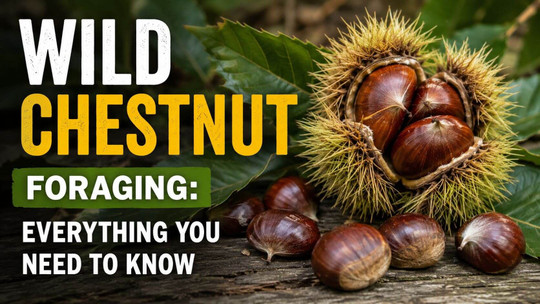
Wild chestnuts are the edible nuts produced by trees in the Castanea genus. They grow inside spiny green burrs that split open when ripe, revealing one to three shiny brown nuts.
Edible chestnut species include:
- American Chestnut (Castanea dentata)
- Chinese Chestnut (Castanea mollissima)
- European Chestnut (Castanea sativa)
- Japanese Chestnut (Castanea crenata)
Although the American chestnut was nearly wiped out by chestnut blight in the early 1900s, many surviving sprouts and restoration projects still exist today.
Where to Find Wild Chestnuts
Chestnut trees prefer:
- Forest edges
- Hillsides
- Old farms
- Parks
- Open woodlands
- Sunny clearings
They grow best in:
- Well-drained soil
- Slightly acidic conditions
- Full sun
You'll often find burrs scattered beneath mature trees during autumn.
How to Identify a Chestnut Tree
Look for these key features:
Leaves
- Long and narrow
- 5–10 inches long
- Sharp saw-toothed edges
- Glossy dark green
Bark
Young trees:
- Smooth gray bark
Older trees:
- Deep ridges
- Dark gray-brown bark
Burrs
Perhaps the easiest identification feature:
- Bright green
- Covered in hundreds of sharp spines
- About 2–4 inches wide
- Split into four sections when ripe
Inside are glossy brown chestnuts.
Best Time to Harvest
Chestnuts ripen during:
- Late September
- October
- Early November
Depending on your location.
The best time is immediately after the burrs naturally fall to the ground.
Freshly fallen nuts have the best quality and are less likely to have been eaten by wildlife.
Never Pick Green Burrs
Avoid harvesting unopened green burrs directly from trees.
Reasons include:
- Nuts may be immature.
- Flavor won't be fully developed.
- Lower germination rates.
- Trees naturally release ripe burrs.
Nature knows when they're ready.
Wear Gloves
Chestnut burrs are incredibly sharp.
A good pair of leather gloves makes harvesting much easier.
Some foragers also carry:
- Garden tongs
- Boot soles for stepping on burrs
- Small buckets
- Mesh bags
These tools help remove the nuts safely.
Choosing the Best Chestnuts
Select nuts that are:
- Heavy for their size
- Firm
- Glossy
- Free of holes
- Free of mold
Avoid:
- Soft nuts
- Cracked shells
- Tiny pinholes (often insect damage)
- Wrinkled shells
Watch for Insects
Chestnut weevils often lay eggs inside developing nuts.
Signs include:
- Small round holes
- Hollow nuts
- Worms inside
To reduce insect problems:
- Collect nuts daily.
- Refrigerate immediately.
- Freeze harvested nuts for several days if storing long-term.
How to Remove the Nuts
Most ripe burrs naturally open.
Use gloves to:
- Pull the burr apart.
- Remove the nuts.
- Brush away remaining spines.
Discard damaged nuts.
Storing Fresh Chestnuts
Unlike many nuts, chestnuts contain lots of moisture.
Store them:
- In the refrigerator
- Inside breathable mesh bags
- For up to 2–3 weeks
For long-term storage:
- Freeze whole
- Peel and freeze
- Dry into chestnut flour
How to Roast Chestnuts
Before roasting:
- Cut an "X" into the flat side of each nut.
- Preheat oven to 425°F (220°C).
- Roast 20–30 minutes.
- Peel while still warm.
Scoring prevents the shells from bursting during cooking.
Other Ways to Cook Chestnuts
Besides roasting, you can:
- Boil them
- Steam them
- Bake into stuffing
- Add to soups
- Make chestnut puree
- Use in desserts
- Grind into flour
Their sweet, mild flavor pairs well with both savory and sweet dishes.
Avoid Poisonous Look-Alikes
One of the biggest mistakes beginners make is confusing edible chestnuts with horse chestnuts or buckeyes.
Edible Chestnuts
- Burr covered with many fine sharp spines
- Usually contains 2–3 nuts
- Sweet flavor
Horse Chestnuts
- Thick husk with fewer blunt spikes
- Usually one large nut
- Toxic to humans
Never eat horse chestnuts or buckeyes.
Can You Grow Chestnuts from Wild Nuts?
Yes!
Fresh chestnuts have excellent germination rates if planted soon after harvest.
For best success:
- Keep nuts moist.
- Cold stratify for 60–90 days if planting in spring.
- Plant about 1–2 inches deep.
- Protect seedlings from squirrels and deer.
Foraging Tips
- Ask permission before harvesting on private land.
- Harvest only what you'll use.
- Leave plenty for wildlife.
- Avoid collecting near busy roads or polluted areas.
- Learn local regulations for public lands.
- Carry gloves and sturdy footwear.
Responsible foraging helps preserve chestnut populations for future generations.
Final Thoughts
Wild chestnut foraging is a rewarding autumn activity that combines outdoor adventure with delicious, nutritious food. By learning to identify edible chestnut trees, harvesting only ripe nuts, and avoiding toxic look-alikes, you'll enjoy one of nature's finest seasonal harvests. Whether you roast them over a fire, bake them into holiday recipes, or plant them to grow future trees, wild chestnuts offer a timeless connection to forests and traditional food gathering.