


Chocolate Vine Seeds
$12.95
Write a Review
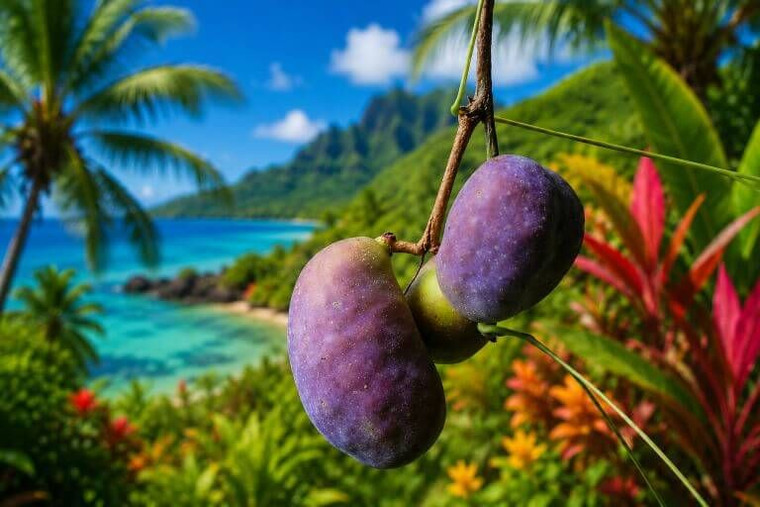
Chocolate Vine Seeds
Chocolate Vine Seeds (Akebia trifoliata) are an excellent choice for growing a fast-growing, ornamental climbing vine known for its attractive three-part foliage, fragrant flowers, and unusual purple fruit. Native to East Asia, this vigorous perennial vine is ideal for covering trellises, arbors, pergolas, fences, and other garden structures. With proper scarification, cold stratification, moisture, warmth, and light, the seeds can be successfully started in containers.
Botanical Information
- Botanical Name: Akebia trifoliata
- Common Name: Chocolate Vine, Three-Leaf Akebia
- Family: Lardizabalaceae
- Plant Type: Woody flowering vine
- Life Cycle: Perennial
- Native Range: China, Japan, and Korea
- Mature Height: 20–30 feet or more with support
- Mature Spread: 6–10 feet
- Growth Rate: Fast
- USDA Zones: 5–9
- Sun: Full sun to partial shade
- Soil Preference: Fertile, moist, well-draining soil
- Soil pH: Slightly acidic to neutral
- Water Needs: Moderate
- Drought Tolerance: Moderate once established
- Salt Tolerance: Low
- Deer Resistance: Moderate
- Wildlife Value: Flowers may attract pollinators; fruit may provide food for wildlife
- Container Friendliness: Suitable for large containers with sturdy climbing support
- Landscape Uses: Trellises, arbors, pergolas, fences, privacy screens, and ornamental garden structures
- Germination Rate: Variable
- Pre-Treatment: Scarification, 24-hour water soak, and at least 30 days of cold, moist stratification
Germination Instructions
- Scarify the seeds by gently rubbing each seed with rough-grit sandpaper. Lightly roughen the outer seed coat without damaging the inside of the seed.
- Fill a small bowl with water and add the scarified chocolate vine seeds. Allow the seeds to soak for 24 hours.
- Moisten a quality seed-starting mix with water. The growing medium should be evenly moist but never dripping wet or waterlogged.
- Fill 4-inch pots with drainage holes to approximately 1/2 inch below the rim. Gently firm and level the seed-starting mix.
- Place up to three seeds on the soil surface in each pot, spacing the seeds approximately 1 inch apart. Lightly press the seeds into the surface to ensure good contact with the growing medium. Do not cover the seeds because light exposure helps support germination.
- Place the pots inside individual clear plastic bags or cover them with a humidity dome. Place the covered pots in a refrigerator maintained at approximately 40°F for at least 30 days.
- Check the pots regularly during cold stratification. Mist the growing medium as needed to keep it consistently moist but never saturated.
- After the cold stratification period, remove the pots from the refrigerator and place them in a warm location near a bright window. Provide bright light while avoiding intense direct sunlight that may overheat the pots.
- Germination may begin approximately 14–21 days after the pots are moved into warm growing conditions. Some seeds may require additional time, so continue maintaining suitable moisture, warmth, and light.
- After the seedlings emerge, remove the plastic bags or humidity dome to improve air circulation. Continue providing bright light and keep the growing medium evenly moist.
- When the seedlings are established, use clean scissors to cut weaker seedlings at soil level, leaving the strongest seedling in each pot. Avoid pulling unwanted seedlings because this may disturb the roots of the remaining plant.
Growing Information
- Provide a sturdy trellis, arbor, fence, or other climbing support.
- Grow in full sun to partial shade.
- Full sun may encourage stronger flowering and fruit production.
- Plant in fertile, moist, well-draining soil.
- Water regularly during the first growing season while the root system becomes established.
- Avoid keeping the soil continuously saturated.
- Established vines may tolerate brief periods of dry soil.
- Prune as needed to control size, encourage branching, and maintain the desired shape.
- Space plants approximately 6–10 feet apart when growing multiple vines.
- Container-grown plants require a large pot with drainage holes and sturdy climbing support.
- Monitor growth regularly because chocolate vine can grow vigorously in favorable conditions.
- Check local recommendations before outdoor planting because Akebia species may spread aggressively in some regions.
Seed Quantities Available
- 10 Seeds
- 20 Seeds
- 50 Seeds
- 100 Seeds
Related Products
-

-
-
Lavender Seeds
$11.95 -
Chive Seeds
$11.95


