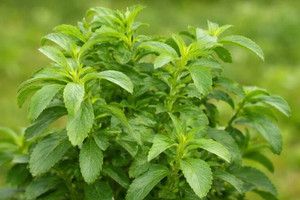


Honeyberry Shrub Seeds
$14.95
Write a Review

Honeyberry Shrub Seeds
Honeyberry, also known as Haskap or Blue Honeysuckle, is a hardy, cold-tolerant fruiting shrub prized for its elongated blue berries and dependable early-season harvests. The flavorful berries have a sweet-tart taste often compared to blueberries, raspberries, and black currants. Honeyberry shrubs are excellent additions to edible landscapes, berry gardens, wildlife gardens, and home orchards.
These exceptionally cold-hardy shrubs produce attractive foliage, small spring flowers, and nutrient-rich berries. For improved pollination and fruit production, grow two or more compatible honeyberry varieties near one another.
Botanical Information
- Botanical Name: Lonicera caerulea
- Common Names: Honeyberry, Haskap Berry, Blue Honeysuckle
- Family: Caprifoliaceae
- Plant Type: Deciduous fruiting shrub
- Life Cycle: Perennial
- Native Range: Northern regions of Europe, Asia, and North America
- Mature Height: Approximately 4–8 feet
- Mature Spread: Approximately 4–6 feet
- Growth Rate: Moderate
- USDA Hardiness Zones: 2–7
- Sun Requirements: Full sun to partial shade
- Soil Preference: Fertile, well-draining soil with consistent moisture
- Soil pH: Approximately 5.0–7.0
- Water Needs: Moderate
- Drought Tolerance: Moderate once established
- Salt Tolerance: Low to moderate
- Deer Resistance: Moderate
- Wildlife Value: Flowers attract pollinators, while berries provide food for birds and other wildlife
- Container Friendliness: Suitable for large containers
- Landscape Uses: Edible gardens, berry gardens, home orchards, shrub borders, wildlife gardens, and edible landscaping
- Germination Rate: Germination may vary because seeds naturally sprout at different times
- Pre-Treatment: Soak for 24 hours followed by 60 days of cold stratification
Germination Instructions
- Place the honeyberry seeds in water and allow them to soak for 24 hours. Most of the seeds may float because they are extremely lightweight. This is normal and does not necessarily indicate poor seed viability.
- After soaking, cold stratify the seeds for approximately 60 days. Because honeyberry seeds are very small, place them inside a slightly moist paper towel. Fold the paper towel around the seeds and place it inside a resealable plastic bag.
- Label and date the bag before placing it in the refrigerator. Periodically check the paper towel during stratification and lightly mist it if needed. Keep the paper towel slightly moist but never overly wet.
- After 60 days, fill containers or seed-starting trays with a fine, well-draining seed-starting mix.
- Sow the seeds no more than 1/4 inch deep. Because the seeds are tiny, avoid burying them too deeply.
- Gently mist the growing medium with a spray bottle and cover the containers with a clear humidity dome to help maintain consistent moisture.
- Maintain temperatures between 65–70°F. Keep the seed-starting mix slightly moist but not wet throughout germination.
- Germination generally occurs within 2–8 weeks. Some seeds may sprout much sooner than others, so continue caring for the containers and do not discard seeds that are slower to germinate.
Growing Information
- Light: Full sun is recommended for the best growth and fruit production; partial shade is tolerated
- Soil: Fertile, moisture-retentive soil with good drainage
- Watering: Water regularly during establishment and maintain consistent soil moisture
- Spacing: Approximately 4–6 feet apart
- Pollination: Plant two or more compatible honeyberry varieties nearby for improved pollination and berry production
- Fruiting: Seed-grown plants may take several years to begin producing fruit
- Pruning: Minimal pruning is needed while plants are young; remove damaged, weak, or overcrowded branches as plants mature
- Mulching: Apply mulch around the root zone to conserve moisture and help keep the soil cool
- Cold Hardiness: Extremely cold tolerant and well suited for northern climates
- Container Growing: Use a large container with drainage holes and a high-quality growing medium
- Harvest: Berries typically ripen early in the growing season and should be harvested when fully blue and soft
Seed Quantities Available
- 25 Seeds
- 50 Seeds
- 100 Seeds
Related Products
-

-
Chive Seeds
$11.95 -
Lavender Seeds
$11.95 -
Stevia Seeds
$11.95