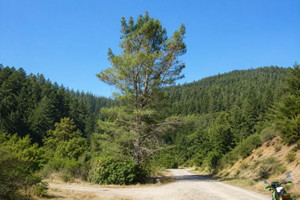

Afghan Pine Tree Seeds
$40.00 - $140.00


The Huangshan Pine is a beautiful and highly ornamental evergreen pine native to the mountainous regions of eastern China. Named after the famous Huangshan Mountains, this species is prized for its picturesque growth habit, rugged appearance, and attractive dark green needles. It develops a broad, irregular crown with graceful branching that makes it an outstanding specimen tree for landscapes, parks, bonsai culture, and Asian-style gardens.
Mature Huangshan Pines are exceptionally tolerant of wind, rocky soils, and harsh growing conditions once established. Their distinctive form and adaptability have made them popular among collectors and bonsai enthusiasts worldwide.
Botanical Information
Germination Information
To improve germination, place seeds in moist peat moss or sand and refrigerate for approximately 60 days. After stratification, sow seeds in a well-drained seed-starting mix and keep evenly moist until germination occurs.
Growing Information
Huangshan Pine performs best in full sun and well-drained soils. It adapts to sandy, rocky, or moderately fertile soils and exhibits excellent drought tolerance once established. Avoid heavy, poorly drained soils, as excessive moisture can damage the root system.
Young seedlings benefit from consistent moisture during their first growing season. Established trees become highly resilient and require minimal maintenance. Their naturally artistic branching habit makes them particularly valuable for bonsai cultivation and ornamental plantings.
Seed Quantities