
Chive Seeds
$11.95

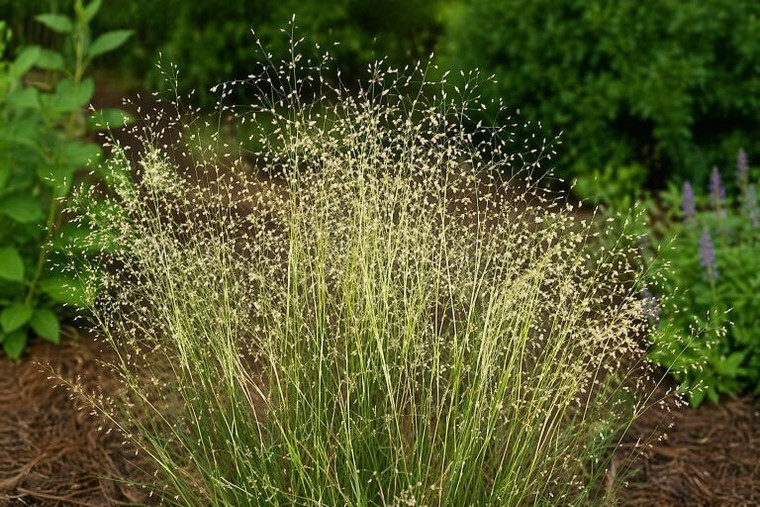
Indian Ricegrass (Achnatherum hymenoides) is a hardy, drought-tolerant native bunchgrass prized for restoration projects, wildlife habitat, and natural landscapes. Native to western North America, this perennial grass thrives in sandy and well-drained soils where many other grasses struggle to establish. Its delicate, airy seed heads and fine textured foliage add natural beauty to prairies, rangelands, and xeriscape plantings.
This resilient grass is especially valuable for erosion control and land reclamation. Deep root systems help stabilize soil, making Indian Ricegrass an excellent choice for slopes, dunes, and disturbed sites. It also provides an important food source for birds, small mammals, and grazing wildlife.
Indian Ricegrass is known for its ability to survive in dry, nutrient-poor soils while requiring minimal maintenance once established. Gardeners, conservationists, and land managers appreciate this native grass for its adaptability, sustainability, and ecological benefits.
Key Features
Planting Information
Indian Ricegrass is an excellent choice for landowners, gardeners, and restoration projects looking to establish resilient native grasses that support both the environment and local wildlife.