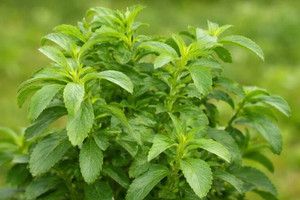
Naranjilla, also known as Lulo, is an exotic tropical fruit plant prized for its bright orange fruit and refreshing citrus-like flavor. Native to northwestern South America, this fast-growing member of the nightshade family produces large, velvety leaves and attractive clusters of flowers. The juicy green pulp is commonly used in beverages, smoothies, desserts, sauces, and preserves.
Naranjilla grows best in warm, humid conditions with rich, well-draining soil and protection from intense afternoon sun. In cooler climates, plants can be grown in large containers and moved indoors before temperatures become cold.
Botanical Information
- Botanical Name: Solanum quitoense
- Common Name: Naranjilla, Lulo, Naranjilla Orange
- Family: Solanaceae
- Plant Type: Tropical fruiting shrub
- Life Cycle: Tender perennial
- Native Range: Northwestern South America, particularly Colombia, Ecuador, Peru, and Venezuela
- Mature Height: 4–8 feet
- Mature Spread: 3–6 feet
- Growth Rate: Fast under warm, humid growing conditions
- USDA Zones: 10–11; grown as a container plant or annual in cooler climates
- Sun: Partial sun to bright, filtered light
- Soil Preference: Rich, fertile, sandy, well-draining soil
- Soil pH: Slightly acidic, approximately 5.5–6.5
- Water Needs: Moderate to high; keep evenly moist but never waterlogged
- Drought Tolerance: Low
- Salt Tolerance: Low
- Deer Resistance: Not reliably deer resistant
- Wildlife Value: Flowers may attract bees and other pollinators
- Container Friendliness: Good when grown in a large container
- Landscape Uses: Tropical gardens, edible landscapes, patios, greenhouses, and container gardens
- Germination Rate: Germination may be slow and irregular
- Pre-treatment: No soaking or stratification is required
Germination Instructions
- These seeds have already been thoroughly cleaned and are ready for planting. Sow at any time of the year when proper warmth and growing conditions can be provided.
- Fill pots or seed-starting containers with a well-draining, sandy seed-starting mix. Sow the seeds on the surface and cover them with a very thin layer of fine sand or horticultural grit.
- Lightly mist the growing medium so it is evenly moist but not wet. Excess moisture may cause the seeds to rot.
- Because Naranjilla seeds may require an extended period to germinate, an appropriate seed-treatment fungicide may be used according to the product label to help reduce mold and fungal growth.
- A heated propagator mat is necessary to maintain a consistent soil temperature between 75–80°F. Warm soil is important for successful germination.
- Place the containers in bright, indirect light. Cover them with a humidity dome to help retain moisture and maintain consistent humidity.
- Check the growing medium regularly and mist lightly with a spray bottle as needed. Keep the soil consistently moist, but never soggy, and do not allow it to dry out.
- Germination is naturally slow and irregular. A few seeds may germinate within 4–6 weeks, while many may require an additional 4–5 months. Continue maintaining warm temperatures and consistent moisture during this period.
- As individual seedlings emerge, provide bright, filtered light and good air circulation. Gradually remove the humidity dome as the seedlings become established.
- Transplant established seedlings outdoors in warm, frost-free climates. In cooler regions, grow Naranjilla in a large container that can be moved indoors or into a protected growing area before cold weather arrives.
Growing Information
- Maintain temperatures above 60°F for healthy growth.
- Protect plants from frost and prolonged cold temperatures.
- Provide partial sun or bright, filtered light.
- Protect plants from intense afternoon sunlight in very hot climates.
- Grow in fertile, organic-rich soil with excellent drainage.
- Keep the soil consistently moist but never saturated.
- Use a large container with drainage holes when growing in cooler climates.
- Feed periodically during active growth with a balanced fertilizer formulated for fruiting plants.
- Provide good air circulation to help reduce fungal problems.
- Move container-grown plants indoors before temperatures become cold.
- Fruit production generally requires a long, warm growing season.
Seed Quantities Available
- 20 Seeds
- 60 Seeds
- 100 Seeds