Yellow Bird of Paradise Tree Seeds
$12.95 - $28.95

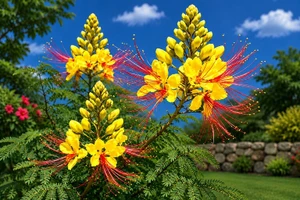
Grow your own stunning Red Bird of Paradise Tree (Caesalpinia pulcherrima), a spectacular tropical flowering shrub or small tree admired for its brilliant red, orange, and yellow blossoms, delicate fern-like foliage, and exotic appearance. Also known as the Pride of Barbados, Peacock Flower, and Dwarf Poinciana, this fast-growing ornamental plant produces vibrant clusters of flowers with long, prominent stamens that attract hummingbirds, butterflies, and other pollinators. Its exceptional heat tolerance, drought resistance once established, and extended blooming season make it an outstanding choice for tropical landscapes, sunny gardens, patios, and large containers. With proper seed preparation, consistent warmth, and patience, you can grow this breathtaking flowering tree from seed.
• Botanical Name: Caesalpinia pulcherrima
• Common Names: Red Bird of Paradise, Pride of Barbados, Peacock Flower, Dwarf Poinciana, Barbados Flower Fence
• Plant Type: Tropical Flowering Shrub Or Small Tree
• Mature Height: 6–15 Feet
• Mature Spread: 6–12 Feet
• Growth Rate: Fast
• Flower Color: Red, Orange, And Yellow
• Bloom Season: Spring Through Fall In Warm Climates
• Foliage: Delicate, Fern-Like Green Leaves
• Sun Requirements: Full Sun
• Soil Type: Well-Draining Sandy Or Loamy Soil
• Water Requirements: Moderate; Drought-Tolerant Once Established
• USDA Hardiness Zones: 9–11
• Native Region: Tropical Americas
• Special Features: Attracts Hummingbirds And Butterflies, Heat-Tolerant, Long Blooming Season, Excellent Ornamental Plant
Red Bird of Paradise Tree seeds have a hard outer seed coat that benefits from scarification and soaking before planting. Providing consistent warmth, adequate humidity, and well-draining soil will help encourage successful germination. A heated propagator mat is highly recommended to maintain the ideal soil temperature throughout the germination process.
Step 1 – Scarify the Seeds: Use a piece of rough-grit sandpaper to gently sand the hard outer coating of each seed. Carefully rub a small area of the seed coat until it becomes slightly thinner, taking care not to damage the inner seed. This process allows moisture to penetrate the protective shell more easily.
Step 2 – Soak the Seeds: Place the scarified seeds in a thermos filled with warm water and allow them to soak for 48 hours. Change the water every 24 hours to keep it fresh. Soaking helps soften the seed coat and encourages the seeds to absorb moisture.
Step 3 – Check for Swelling: After soaking, examine the seeds for signs of swelling. Seeds that have noticeably increased in size have absorbed moisture and are ready for planting. Some seeds may swell faster than others.
Step 4 – Prepare the Planting Mix: Fill small pots or seed-starting trays with a loose, well-draining seed-starting mix. Plant the prepared seeds no deeper than 1/4 inch below the soil surface. Lightly cover the seeds and gently moisten the planting mix.
Step 5 – Provide Consistent Warmth: Place the pots or trays on a heated propagator mat and maintain a soil temperature of approximately 80°F. Position the containers in an area receiving bright, filtered light while protecting newly planted seeds from intense direct sunlight.
Step 6 – Maintain Humidity: Cover the pots or seed trays with a clear humidity dome or loosely fitted transparent plastic to help maintain humidity during germination. Keep the soil consistently moist but never waterlogged. Provide occasional ventilation to allow fresh air circulation.
Step 7 – Allow Time for Germination: Germination typically occurs within 2–8 weeks when proper warmth and moisture are maintained. Some seeds may take longer, so patience is important. Once seedlings emerge, gradually remove the humidity covering and introduce them to brighter light as they develop.
• Planting Location: Choose A Warm, Sunny Location With Excellent Drainage
• Sunlight: Provide At Least 6–8 Hours Of Direct Sunlight Daily Once Established
• Soil Requirements: Prefers Well-Draining Sandy Or Loamy Soil
• Watering: Water Regularly During Establishment; Reduce Frequency As Plants Mature
• Temperature: Thrives In Warm Tropical And Subtropical Conditions
• Fertilization: Apply A Balanced Fertilizer Sparingly During The Active Growing Season
• Pruning: Prune As Needed To Maintain Shape And Encourage Bushier Growth
• Container Growing: Suitable For Large Containers With Proper Drainage
• Landscape Uses: Tropical Gardens, Flowering Hedges, Ornamental Borders, Patios, And Specimen Plantings
• Pollinator Benefits: Attracts Hummingbirds, Butterflies, And Other Pollinators
• Winter Protection: Protect From Frost And Freezing Temperatures In Cooler Climates
• Special Care: Gradually Acclimate Young Seedlings To Direct Sunlight Before Outdoor Planting
• 5 Seeds
• 10 Seeds
• 20 Seeds
• 40 Seeds
Bring vibrant tropical color and exotic beauty to your garden with Red Bird of Paradise Tree Seeds (Caesalpinia pulcherrima). With its dazzling clusters of fiery red, orange, and yellow flowers, graceful fern-like foliage, and remarkable ability to thrive in hot, sunny conditions, this extraordinary flowering plant creates an unforgettable landscape display. Whether grown as an ornamental shrub, small flowering tree, or stunning container specimen, the Red Bird of Paradise offers spectacular seasonal color and attracts beautiful pollinators throughout its blooming season. Its easy-care nature and impressive floral display make it a wonderful addition to any tropical or warm-climate garden.