
Rocky Mountain Douglas Fir Tree Seeds
$100.00 - $500.00

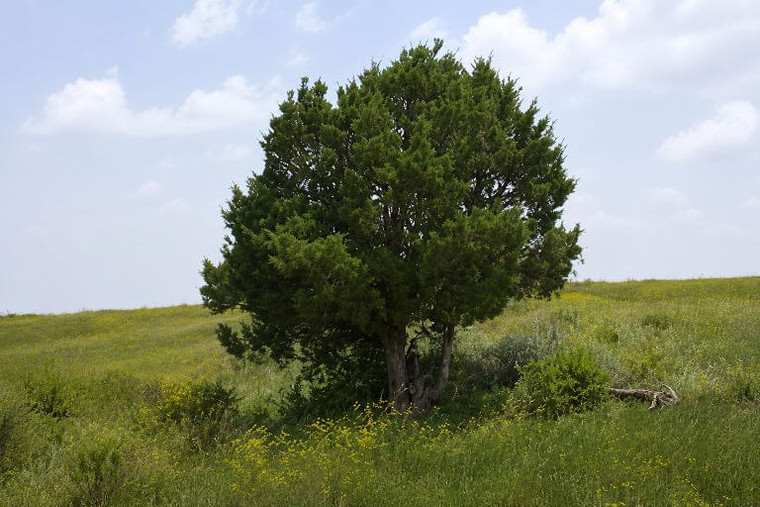
Rocky Mountain Juniper (Juniperus scopulorum) is a rugged, evergreen conifer native to western North America. Valued for its attractive blue-green foliage, narrow pyramidal form, and outstanding drought tolerance, this hardy tree is widely planted for windbreaks, privacy screens, wildlife habitat, and ornamental landscapes. Its ability to thrive in rocky soils, dry climates, and harsh growing conditions makes it an excellent choice for both residential and conservation plantings.
As it matures, Rocky Mountain Juniper develops a dense canopy that provides year-round color and shelter for birds and wildlife. The tree produces small blue berry-like cones that are an important food source for many bird species. Its adaptability, longevity, and low maintenance requirements have made it one of the most popular native evergreen trees throughout the western United States.
Rocky Mountain Juniper seeds require a warm stratification period of 45–90 days followed by a cold stratification period of 60–120 days to help break dormancy and improve germination success. Germination can be slow and may occur over an extended period after stratification is complete.
Rocky Mountain Juniper is an excellent choice for growers seeking a durable evergreen tree with exceptional drought tolerance, year-round beauty, and valuable wildlife benefits. Its adaptability to challenging environments makes it ideal for windbreaks, habitat restoration projects, privacy screens, and landscape plantings throughout a wide range of climates.