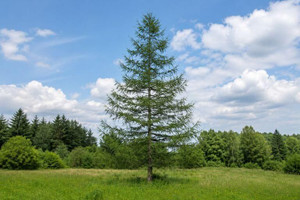

European Hornbeam Tree Seeds
$30.00 - $75.00


European Nettle Tree Seeds (Celtis australis) are an excellent choice for gardeners, landscapers, and tree enthusiasts looking to grow a hardy, long-lived shade tree with ornamental appeal. Native to southern Europe and parts of western Asia, the European Nettle Tree is prized for its graceful rounded canopy, attractive gray bark, and glossy green foliage that turns golden-yellow in autumn. It is highly adaptable, drought tolerant once established, and thrives in a wide range of climates and soil conditions. Its small, sweet berries attract birds and wildlife, making it an excellent addition to naturalized landscapes, parks, and large residential properties.
Botanical Information
Seed Quantities Available
Growing Information
European Nettle Tree seeds require approximately 60 days of cold moist stratification before sowing to improve germination. After stratification, plant seeds about 1/4 to 1/2 inch deep in a well-draining seed-starting mix. Keep the soil consistently moist but not saturated and place containers in a warm, bright location. Using a humidity dome during germination helps maintain consistent moisture levels. Seedlings establish steadily and develop into strong, resilient trees with deep root systems.
Once established, Celtis australis is remarkably tolerant of drought, heat, wind, and urban conditions. It makes an outstanding long-lived shade tree for streets, parks, large landscapes, and restoration projects. Its attractive bark, dense canopy, and dependable fall color make it a favorite throughout Mediterranean and temperate climates.
Why Grow European Nettle Tree?