
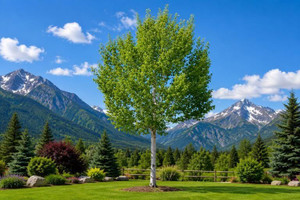
Himalayan Birch Tree Seeds
$60.00 - $190.00


The Western Himalayan Pine, also known as Blue Pine or Himalayan White Pine, is a graceful evergreen conifer native to the Himalayan Mountains of Afghanistan, Pakistan, India, Nepal, and Bhutan. Highly valued for its elegant appearance, this species features long, soft blue-green needles that can reach up to 8 inches in length, creating a distinctive flowing appearance in the landscape. Its broad, open crown and ornamental beauty make it an excellent specimen tree for parks, large landscapes, windbreaks, and reforestation projects.
Western Himalayan Pine is well adapted to cooler climates and mountainous regions, where it thrives in well-drained soils and full sun. Mature trees develop attractive gray bark and produce long, slender cones that add additional ornamental interest. This fast-growing conifer can reach impressive heights and provides excellent wildlife habitat while offering year-round color and texture.
Botanical Name: Pinus griffithii (Pinus wallichiana)
Common Name: Western Himalayan Pine, Himalayan Blue Pine, Bhutan Pine
Family: Pinaceae
Origin: Himalayan Mountains of South Asia
Plant Type: Evergreen Conifer Tree
Growth Rate: Moderate to Fast
Mature Height: 50–100 feet
Mature Spread: 25–40 feet
USDA Hardiness Zones: 5–8
Germination Rate: 50–70%
Seed requires no pre-treatment and generally germinates readily under proper conditions.
Although stratification is not required, a 14–30 day cold moist stratification may improve germination uniformity.
Light Requirements: Full sun
Soil Preference: Prefers well-drained sandy, loamy, or rocky soils. Tolerates slightly acidic soils and performs poorly in heavy, poorly drained locations.
Water Requirements: Moderate water requirements. Young trees benefit from regular watering until established. Mature trees become moderately drought tolerant.
Growth Habit: Upright, pyramidal when young, becoming broader and more open with age.
Landscape Uses:
Wildlife Value: Provides shelter and nesting sites for birds and other wildlife.
Special Features:


