
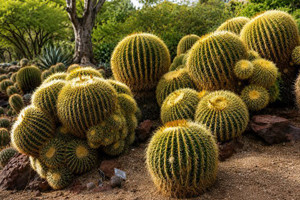
Golden Barrel Cactus Seeds
$12.95 - $18.95


Blue Cereus Cactus Seeds are an excellent choice for cactus enthusiasts looking to grow a rare and striking columnar cactus from seed. Browningia hertlingiana is known for its beautiful blue-green stems, prominent ribs, and dramatic spines. Native to Peru, this impressive cactus develops into a tall, sculptural specimen and makes an attractive addition to warm-climate landscapes, greenhouses, and large containers.
Botanical Information
Germination Instructions
Use a well-draining cactus mix or prepare a blend of approximately 50% perlite or pumice and 50% seed-starting soil or sand. The damp growing medium may be sterilized by microwaving it for 2–3 minutes. This optional step may help reduce mold and fungal growth. Allow the soil to cool completely before sowing.
Sprinkle the seeds evenly over the surface of the moist growing medium. Do not bury the seeds. Lightly press them against the soil to provide good seed-to-soil contact while keeping them exposed to light.
Water only with a fine mist to prevent the tiny seeds from becoming displaced or buried too deeply. Cover the container with clear plastic wrap, a humidity dome, or a clear plastic bag to maintain consistently high humidity.
Use a heated propagation mat to maintain a soil temperature of approximately 75–85°F. Place the container in bright, indirect light and avoid direct sunlight during germination, as intense sun may overheat the covered container and damage young seedlings.
Keep the growing medium lightly moist but never waterlogged. Briefly open the humidity covering as needed to provide fresh air and help reduce excessive condensation or mold growth.
Seeds generally begin germinating within 10–30 days, although some seeds may require additional time.
Growing Information
Seed Quantities Available


