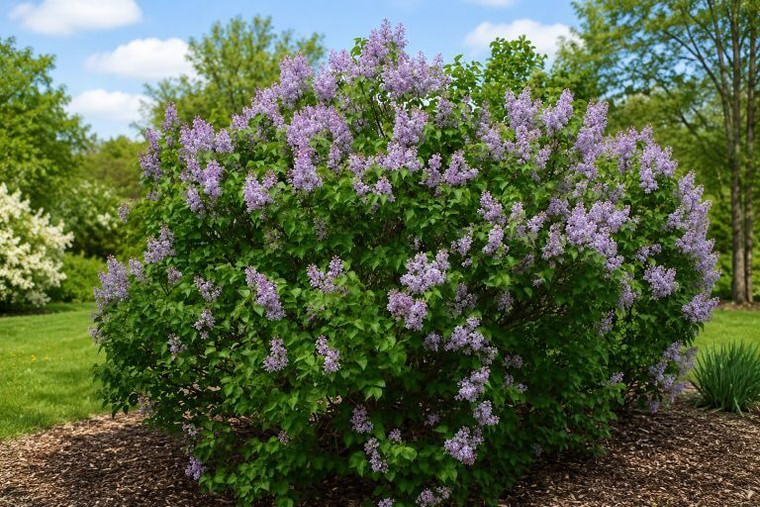
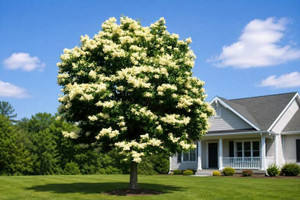
Early Lilac Tree Seeds (Syringa oblata) produce a beautiful, early-blooming deciduous shrub or small tree known for its fragrant clusters of lavender-purple flowers. Blooming earlier than many other lilac species, Early Lilac adds vibrant spring color and a pleasant fragrance to gardens, borders, hedges, and wildlife-friendly landscapes. Its attractive green foliage and cold hardiness make it an excellent choice for northern climates.
Botanical Information
- Botanical Name: Syringa oblata
- Common Name: Early Lilac, Early Blooming Lilac
- Family: Oleaceae
- Plant Type: Deciduous flowering shrub or small tree
- Life Cycle: Perennial
- Native Range: Northern China and Korea
- Mature Height: 8–15 feet
- Mature Spread: 8–12 feet
- Growth Rate: Moderate
- USDA Zones: 3–7
- Sun: Full sun
- Soil Preference: Fertile, well-drained soil
- Soil pH: Neutral to slightly alkaline
- Water Needs: Moderate
- Drought Tolerance: Moderate once established
- Salt Tolerance: Low to moderate
- Deer Resistance: Moderate
- Wildlife Value: Flowers attract bees, butterflies, and other pollinators
- Container Friendliness: Suitable for large containers when young
- Landscape Uses: Specimen plant, flowering hedge, shrub border, privacy planting, cottage garden, and pollinator garden
- Germination Rate: 50–70%
- Pre-treatment: 30–90 days of cold moist stratification
Germination Instructions
Place the seeds in a moist growing medium, such as peat moss, sand, or a mixture of both. Seal the mixture inside a plastic bag or covered container and refrigerate at approximately 34–41°F for 30–90 days. Check occasionally to ensure the medium remains moist but not overly wet.
After cold stratification, sow the seeds approximately 1/8 inch deep in containers filled with a well-draining seed-starting mix. Lightly cover the seeds and gently water. Cover the container with a humidity dome to help maintain consistent moisture.
Place the containers in a bright location with temperatures between 65–75°F. Keep the growing medium evenly moist but never waterlogged. Germination may be gradual and can vary among individual seeds.
Growing Information
- Light: Plant in full sun for the best flowering
- Soil: Prefers fertile, moist, well-drained soil
- Watering: Water regularly during establishment
- Spacing: Space plants approximately 8–12 feet apart
- Maintenance: Prune immediately after flowering when shaping is needed
- Fertilizing: Apply a balanced fertilizer in early spring if necessary
- Transplanting: Transplant seedlings outdoors after they are well established and the danger of frost has passed
- Flowering: Produces fragrant lavender-purple flower clusters in early spring
- Cold Hardiness: Well suited for cold northern climates
Seed Quantities Available
- 1 oz. – Approximately 3,125 Seeds
- 1/4 lb. – Approximately 12,500 Seeds
- 1 lb. – Approximately 50,000 Seeds