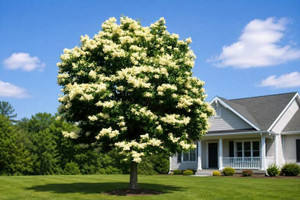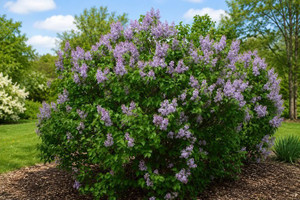
Littleleaf Lilac Seeds (Syringa microphylla) produce attractive, compact flowering shrubs known for their fragrant pink to lavender blooms and smaller-than-average leaves. This hardy deciduous lilac is an excellent choice for borders, flowering hedges, foundation plantings, cottage gardens, and wildlife-friendly landscapes. Its manageable size, dense growth habit, and beautiful spring flowers make it well suited for both residential gardens and larger landscape projects.
Botanical Information
- Botanical Name: Syringa microphylla
- Common Name: Littleleaf Lilac
- Family: Oleaceae
- Plant Type: Deciduous flowering shrub
- Life Cycle: Perennial
- Native Range: China
- Mature Height: 4–8 feet
- Mature Spread: 5–10 feet
- Growth Rate: Moderate
- USDA Zones: 4–7
- Sun: Full sun
- Soil Preference: Fertile, well-drained soil
- Soil pH: Slightly acidic to alkaline
- Water Needs: Moderate
- Drought Tolerance: Moderate once established
- Salt Tolerance: Low to moderate
- Deer Resistance: Moderate
- Wildlife Value: Fragrant flowers attract butterflies, bees, and other beneficial pollinators
- Container Friendliness: Suitable for large containers when young
- Landscape Uses: Flowering hedges, shrub borders, foundation plantings, cottage gardens, specimen plantings, and pollinator gardens
- Germination Rate: 50–70%
- Pre-treatment: Requires 30–90 days of cold moist stratification
Germination Instructions
Place the seeds in a moist growing medium such as peat moss, sand, or a seed-starting mix. Seal the mixture inside a plastic bag or covered container and refrigerate at approximately 34–41°F for 30–90 days.
After the cold stratification period, sow the seeds approximately 1/8 inch deep in containers filled with a moist, well-draining seed-starting mix. Lightly cover the seeds and place the containers in a warm location with bright, indirect light.
Maintain temperatures between 65–75°F and keep the growing medium consistently moist but not saturated. Cover the containers with a humidity dome to help retain moisture. Remove the humidity dome periodically to provide fresh air and reduce excess moisture.
Germination may occur gradually. Continue providing consistent moisture, warmth, and light while seedlings emerge.
Growing Information
- Grow in full sun for the best flowering and overall plant development
- Plant in fertile, well-drained soil
- Water young plants regularly while the root system becomes established
- Avoid consistently wet or poorly drained planting locations
- Space plants approximately 5–8 feet apart, depending on the desired landscape use
- Apply mulch around the base to conserve moisture and reduce weed growth
- Prune immediately after flowering to maintain shape and encourage healthy new growth
- Established plants have moderate drought tolerance
- Flowers attract bees, butterflies, and other beneficial pollinators
- Suitable for flowering hedges, borders, foundation plantings, and specimen use
Seed Quantities Available
- 1 oz. – 4,375 Seeds
- 1/4 lb. – 17,500 Seeds
- 1 lb. – 70,000 Seeds