Fragrant Snowbell Tree Seeds
$40.00 - $125.00


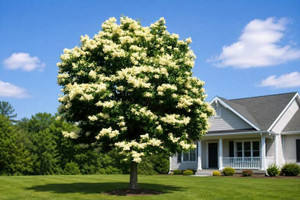
Japanese Snowbell Tree Seeds (Styrax japonica) grow into graceful ornamental trees known for their fragrant, bell-shaped white flowers that hang beneath spreading branches in late spring and early summer. The attractive blossoms, smooth gray bark, and refined growth habit make Japanese Snowbell an excellent choice for woodland gardens, patios, walkways, specimen plantings, and shaded landscape areas.
Botanical Information
Germination Instructions
Japanese Snowbell seeds have a deep dormancy and require an extended warm and cold stratification process before germination.
Mix the seeds with moist peat moss, sand, or vermiculite and place the mixture inside a sealed plastic bag or covered container. Keep the seeds at approximately 65–75°F for 5 months. Check periodically to maintain consistent moisture without allowing the growing medium to become overly wet.
After warm stratification, place the sealed seed mixture in a refrigerator at approximately 34–41°F for 3 months. Keep the medium slightly moist throughout the cold stratification period.
Following cold stratification, sow the seeds approximately 1/4 to 1/2 inch deep in containers filled with a moist, well-draining seed-starting mix. Cover the containers with a humidity dome to maintain consistent moisture and humidity. Place them in a warm location with bright, indirect light.
Keep the soil evenly moist but not waterlogged. Germination may be slow and uneven, and some seeds may require additional seasonal temperature cycles before sprouting.
Growing Information
Seed Quantities Available