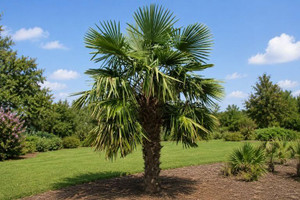
The Lipstick Palm (Cyrtostachys renda) is a rare and spectacular tropical palm prized for its brilliant scarlet-red crownshafts, smooth green trunks, and lush, feathery foliage. Native to the warm, humid regions of Southeast Asia, this exotic palm creates a dramatic tropical appearance in gardens, greenhouses, conservatories, and large containers.
Although Lipstick Palm seeds can be slow and unpredictable to germinate, their extraordinary beauty makes them well worth the patience. Consistent warmth, high humidity, bright light, and careful moisture control are essential for successful germination and healthy growth.
Botanical Information
- Botanical Name: Cyrtostachys renda
- Common Names: Lipstick Palm, Red Sealing Wax Palm, Maharajah Palm
- Family: Arecaceae
- Plant Type: Tropical clustering palm
- Life Cycle: Perennial
- Native Range: Malaysia, Indonesia, Thailand, Borneo, and surrounding areas of Southeast Asia
- Mature Height: 25–50 feet outdoors in tropical climates
- Mature Spread: 10–20 feet
- Growth Rate: Slow to moderate
- USDA Hardiness Zones: 11–12
- Sun: Partial shade to full sun; young palms benefit from filtered light
- Soil Preference: Rich, fertile, moist, well-draining soil
- Soil pH: Slightly acidic to neutral, approximately 5.5–7.0
- Water Needs: High; prefers consistently moist soil
- Drought Tolerance: Low
- Salt Tolerance: Low
- Deer Resistance: Moderate
- Wildlife Value: Provides tropical shelter and habitat
- Container Friendliness: Good while young; suitable for large containers, heated greenhouses, and conservatories
- Landscape Uses: Tropical gardens, poolside plantings, specimen palm, privacy screens, greenhouse displays, and large decorative containers
- Germination Rate: Variable and naturally erratic
- Pre-Treatment: Scarification followed by a 4-day warm-water soak
Germination Instructions
- Scarify each seed by gently rubbing the hard outer shell with coarse sandpaper. Avoid sanding deeply enough to damage the inner seed.
- Place the seeds in warm water and soak for 4 days. Change the water daily to keep it fresh. Using a thermos can help maintain consistently warm water throughout the soaking period.
- Fill a seed tray or small containers with a sterile, moist, and well-draining seed-starting mix.
- Place the seeds on top of the growing medium and lightly press them into the surface. Do not completely bury the seeds. Leave part of each seed exposed because light can help support germination.
- Cover the tray with a clear humidity dome or loose plastic covering to retain moisture and maintain high humidity.
- Place the containers on a heated propagation mat and maintain a soil temperature of approximately 85°F.
- Every few days, briefly remove the humidity covering to provide fresh air and inspect the growing medium. Mist gently with a spray bottle whenever the surface begins to dry. Keep the medium consistently moist but never saturated or waterlogged.
- Periodically inspect the seeds for signs of mold or fungal growth. If mold develops, carefully clean the affected seeds with an appropriately labeled copper-based fungicide. Replace the seeds on fresh, sterile, slightly moist growing medium.
- Germination is naturally slow and erratic. A few seeds may sprout within several weeks to a few months, while others may require many months and, in some cases, up to a year. Continue providing warmth and moisture, and do not discard healthy seeds simply because they have not germinated quickly.
Growing Information
- Maintain warm temperatures above 70°F; temperatures of 75–90°F are preferred.
- Protect plants from cold temperatures, frost, and chilly drafts.
- Provide bright, filtered light for young seedlings.
- Gradually introduce established palms to stronger sunlight.
- Keep the soil consistently moist but well drained.
- Never allow young seedlings to dry out completely.
- Maintain high humidity whenever possible.
- Use rich soil containing organic matter with excellent drainage.
- Feed established plants with a balanced palm fertilizer during active growth.
- Protect young seedlings from intense midday sunlight.
- Grow in a heated greenhouse, conservatory, or large container in cooler climates.
- Move container-grown palms indoors before temperatures become cool.
- Repot carefully because young palm roots can be sensitive to disturbance.
Seed Quantities Available
- 5 Seeds
- 10 Seeds
- 20 Seeds
These rare and gorgeous tropical palms are definitely worth the wait! With patience, steady warmth, high humidity, and proper moisture, Lipstick Palms can develop into breathtaking specimens with vivid red crown-shafts that create an unforgettable tropical display.